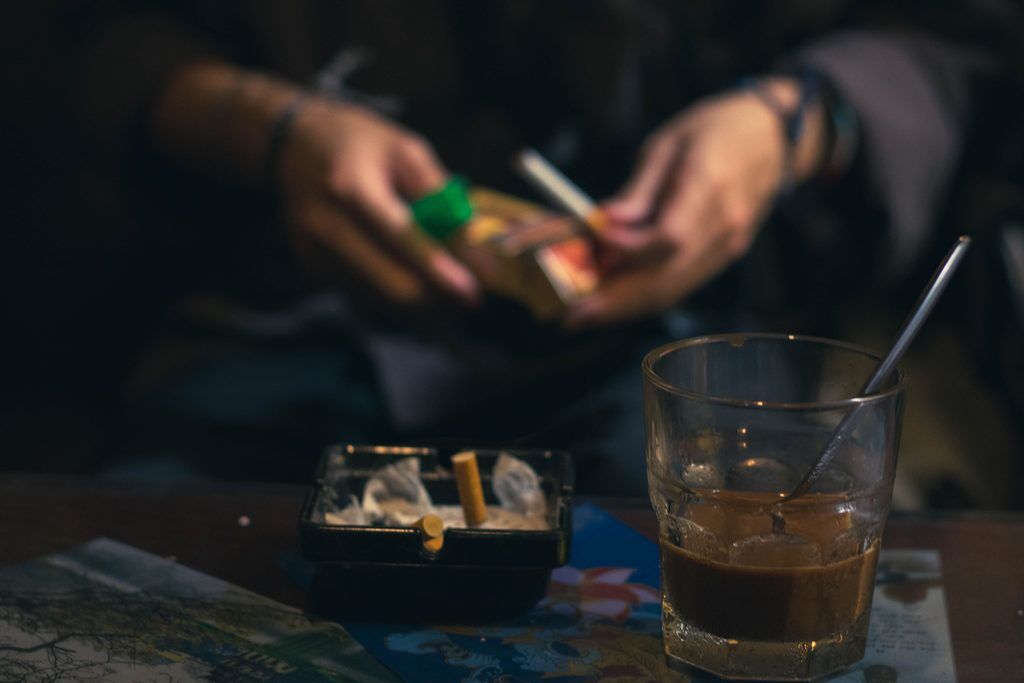
Why is rehab necessary for people struggling with alcohol and drug addiction, even when they desperately want to stop? Because addiction is rarely just a matter of willpower. You can have the best intentions, genuinely want to change your life, and promise yourself that you will never drink or use drugs again. Yet, despite your determination, you may find yourself repeating the same destructive patterns.
You may have tried stopping on your own. Perhaps you managed a few days, a few weeks or even several months before finding yourself back where you started. Every time it happens, the disappointment grows. You begin questioning yourself, wondering why you cannot do something that seems so simple to other people.
If this sounds familiar, you are not alone.
Alcohol and drug addiction can affect the way the brain responds to reward, stress, cravings and familiar situations. Over time, substance use can become deeply connected to emotions, routines and ways of coping with life. What begins as a choice can develop into a pattern that is exceptionally difficult to break without the right support.
This is why professional rehabilitation can be so important. It provides more than an opportunity to stop drinking or taking drugs. It offers structure, therapeutic support, insight into addictive behaviour and the practical tools needed to build a different life.
At South Coast Recovery Centre, we recognise that recovery is about addressing the person behind the addiction, not simply the substance they are using.
Why Is Rehab Necessary When You Genuinely Want to Stop?
One of the most painful aspects of addiction is the conflict between what you want for your life and what you find yourself doing.
You may love your family. You may want to protect your health, save your money, rebuild your relationships and regain control of your future. You may look at everything alcohol or drugs are costing you and know, without any doubt, that something has to change.
And yet the cycle continues.
You tell yourself that you will not drink tonight, but the craving becomes overwhelming. You promise that you will not use drugs again, but stress, an emotional trigger or an old environment pulls you back. You wake up feeling disappointed and make another promise to yourself.
This can become an exhausting cycle of determination, temptation, substance use, regret and renewed determination.
The problem is that wanting to stop and knowing how to stay stopped are two very different things.
Addiction can strengthen the association between a substance and the relief, pleasure or escape it provides. When particular emotions or situations arise, the brain may begin anticipating that familiar response. Cravings can become powerful, particularly when a person is stressed, distressed or surrounded by reminders of previous substance use.
Even when someone understands the consequences, the immediate urge to escape discomfort can overpower their longer-term intentions.
This does not mean that motivation is unimportant. A willingness to change is valuable. But motivation alone may not be enough to overcome established patterns, withdrawal symptoms, emotional difficulties and environmental triggers.
Rehabilitation helps bridge the gap between wanting a different life and learning how to create one.
The Cycle of Trying to Stop on Your Own
Many people attempt to overcome addiction privately because they believe they should be able to handle it themselves.
They may feel embarrassed about needing help. They may fear judgement, worry about what others will think or believe that asking for treatment is an admission of weakness.
Others are convinced that they simply need to try harder.
So they keep trying.
They stop drinking or using drugs, rely on determination and hope that this time will be different. For a while, things may improve. They feel more in control and begin believing that the problem is finally behind them.
Then life happens.
An argument, financial pressure, loneliness, anxiety, an unexpected disappointment or an opportunity to return to old habits can trigger familiar thoughts and cravings. Without the necessary coping skills and support, the person may return to substance use.
Afterwards, shame and disappointment can make everything worse.
They may tell themselves that they have failed again, that they have let everyone down or that they are simply incapable of changing. These feelings can create another reason to escape through alcohol or drugs.
And so the cycle begins again.
The danger is that each unsuccessful attempt can gradually undermine a person’s confidence. They may become increasingly reluctant to ask for help because they fear admitting that they cannot manage alone.
You do not have to reach the point of complete desperation before accepting that you need support.
Repeatedly struggling to stop is not proof that recovery is impossible. It may be a sign that the approach needs to change.
Alcohol Addiction: Why Knowing the Damage Does Not Always Stop the Drinking
Alcohol addiction can be particularly difficult to recognise because drinking is so socially accepted.
People drink to celebrate, relax, socialise and unwind after stressful days. This can make it easy to minimise a growing problem, particularly when someone is still managing to work, maintain a household or fulfil their responsibilities.
But alcohol addiction does not always announce itself through obvious outward consequences.
Someone can appear successful while privately struggling to control their drinking. They may hide bottles, drink alone, make excuses or repeatedly promise themselves that they will cut down.
Others may experience increasingly serious consequences in their relationships, finances, physical health or employment.
In both situations, the person may genuinely want to stop.
The difficulty is that alcohol may have become associated with relief from anxiety, emotional pain, boredom, loneliness or stress. When those feelings return, drinking can seem like the quickest way to make them disappear.
Over time, the temporary relief may be followed by guilt, conflict, poor sleep, anxiety or other difficulties, which can make the person want to drink again.
Knowing that alcohol is causing harm does not automatically remove the cravings, habits or emotional associations that sustain the behaviour.
Professional alcohol addiction treatment can help individuals understand these patterns, develop healthier coping strategies and establish a structured plan for recovery.
It is also important to recognise the physical risks. If you drink heavily or have developed physical dependence on alcohol, stopping suddenly can be dangerous. Seek medical advice before attempting to stop, as withdrawal may require medical supervision.
At South Coast Recovery Centre, medical detoxification is not provided onsite. Where detox is required, hospital-based care must be arranged before residential treatment begins.
Drug Addiction: When the Desire to Stop Is Not Enough
Drug addiction can create a similarly painful conflict.
A person may know that their drug use is affecting their health, relationships, finances or future. They may have watched opportunities disappear and seen the people closest to them lose trust.
They may desperately want their old life back.
Yet cravings, withdrawal symptoms, emotional distress and familiar patterns can make stopping and maintaining recovery extremely challenging.
Different substances carry different risks. Some can cause severe withdrawal symptoms, while others may be associated with intense cravings, changes in mood, sleep difficulties or psychological distress. The appropriate treatment depends on the substance involved, the person’s health and the severity of their addiction.
For some people, drug use has become a way of escaping feelings they do not know how to manage. For others, substance use has become intertwined with their social environment, daily routine or sense of identity.
Removing the drugs is an important step, but it does not automatically resolve the issues that contributed to the pattern.
Without support, a person may return to the same coping mechanisms when life becomes difficult.
Effective drug addiction treatment therefore needs to address more than the substance itself. It should help the individual recognise triggers, understand their behaviour, develop emotional coping skills and prepare for the situations that may challenge their recovery.
Our addiction treatment programme at South Coast Recovery Centre provides a structured residential environment in which individuals can begin working towards these changes with professional support.
Why Willpower Alone Cannot Always Break Addiction
There is a common misconception that people with addiction simply need to make better choices.
From the outside, it can seem straightforward. Stop drinking. Stop taking drugs. Find something else to do.
But addiction is more complicated than that.
Willpower may help someone make the decision to stop, but maintaining recovery can require a whole range of skills that the person has not yet developed.
They may need to learn how to manage cravings without acting on them, cope with stress without reaching for a substance, recognise the thoughts that precede relapse and change the routines that have become associated with addiction.
They may also need to address unresolved emotional difficulties, improve their relationships, establish healthier boundaries and rebuild a sense of purpose.
These are not changes that happen automatically when a person stops using alcohol or drugs.
They require learning, practice, reflection and support.
Rehabilitation provides an opportunity to work on these areas in a structured setting, away from many of the distractions and triggers of everyday life.
It does not remove personal responsibility. It gives people a better opportunity to exercise that responsibility with the necessary knowledge, guidance and practical skills.
You would not expect someone to recover from every serious physical injury through determination alone. Similarly, addiction can require professional treatment tailored to the individual’s needs.
Asking for help is not giving up. It is recognising that a different approach may be necessary.
What Does Rehab Actually Do to Help Someone Recover?
Understanding why rehab is necessary means understanding what treatment offers beyond simply removing alcohol or drugs from someone’s daily routine.
A quality rehabilitation programme helps individuals begin changing the behaviours, thinking patterns and circumstances that can keep addiction going.
A structured environment
Addiction often becomes woven into everyday life. Certain places, people, times of day and emotional situations can trigger cravings or encourage familiar behaviour.
A residential programme creates distance from many of these influences and provides a more predictable daily routine.
This allows individuals to focus on recovery, participate in therapeutic activities and begin establishing healthier habits.
Structure can be particularly valuable during early recovery, when a person may still be adjusting to life without the substance they previously relied on.
Professional counselling and therapy
Addiction can be accompanied by shame, guilt, anxiety, anger, grief and damaged self-esteem.
Counselling provides an opportunity to explore these experiences, understand recurring patterns and learn healthier ways of responding.
Therapeutic work may also help individuals recognise the situations in which they are most vulnerable to substance use and develop practical strategies for managing those risks.
At South Coast Recovery Centre, counselling and therapeutic support form part of a wider treatment approach that recognises the importance of emotional and behavioural change.
Understanding the underlying issues
There is no single explanation for why every person develops an addiction.
Trauma, grief, stress, mental-health difficulties, environmental influences and other factors may contribute, although their importance differs from person to person.
For some individuals, alcohol or drugs have become a way of avoiding painful emotions. Others may have developed patterns of substance use that continue even when the original circumstances have changed.
Treatment can help individuals explore these factors and develop healthier responses.
Where depression or other mental-health difficulties occur alongside addiction, these concerns may need to be assessed and addressed as part of an appropriate treatment plan.
You can learn more about what causes addiction and our information on depression and addiction treatment.
Relapse prevention
Stopping alcohol or drug use is a significant achievement, but maintaining recovery requires preparation.
A person may encounter stress, relationship difficulties, familiar social situations or unexpected emotional challenges after leaving treatment. Without a plan, these experiences can increase the risk of returning to substance use.
Relapse prevention helps individuals identify personal warning signs, recognise high-risk situations and practise alternative responses.
It can include developing healthier routines, managing cravings, seeking support early, avoiding dangerous environments and learning how to respond constructively when difficulties arise.
The aim is not to guarantee that recovery will always be easy. It is to help people become better equipped to protect their recovery when life becomes challenging.
When Is Residential Rehab Necessary?
Not everyone who struggles with alcohol or drugs requires residential treatment. The appropriate level of care depends on the individual’s circumstances, health, substance use, previous attempts at recovery and support system.
However, a professional assessment may be particularly important when:
- You have repeatedly tried to stop drinking or using drugs but keep returning to the same pattern.
- Your substance use continues despite serious consequences.
- Cravings or withdrawal symptoms make it difficult to stop safely.
- Alcohol or drugs are affecting your health, relationships, finances or responsibilities.
- Your everyday environment makes it difficult to maintain recovery.
- You are experiencing mental-health difficulties alongside addiction.
- You would benefit from a structured setting and consistent therapeutic support.
These are not reasons to judge yourself. They are reasons to explore what kind of help may be appropriate.
Withdrawal from alcohol and certain drugs or medications can carry serious medical risks. If you may be physically dependent, seek medical advice before stopping abruptly. Seizures, hallucinations, confusion or severe withdrawal symptoms require emergency medical attention.
A healthcare professional or addiction specialist can help determine whether hospital-based care, residential rehabilitation, outpatient treatment or a combination of services is appropriate.
Is 21 Days in Rehab Enough?
Many people want to know how long treatment takes because they are eager to get their lives back on track.
A 21-day programme can provide a valuable period of structured treatment, therapeutic support, addiction education and relapse prevention planning. For some individuals, it can be an important starting point.
However, no fixed number of days guarantees lasting recovery.
Some people require a longer period of treatment because of the severity of their addiction, repeated relapse, co-occurring mental-health difficulties or the need to establish a stronger foundation before returning to everyday life.
The right duration should be based on the individual’s needs and progress.
South Coast Recovery Centre offers a structured 21-day addiction treatment programme, alongside options for people who may benefit from longer-term support.
Medical-aid benefits may contribute towards eligible inpatient treatment, depending on the scheme, available benefits and authorisation. Coverage should be confirmed with the medical aid provider and admissions team.
The important question is not simply how quickly you can complete rehab. It is what level of care will best support your recovery and help you maintain it afterwards.
For further information, visit our page on addiction treatment in South Africa.
What Happens After Rehab?
Recovery does not end when someone leaves a rehabilitation centre.
Returning home means returning to many of the responsibilities, relationships and pressures that existed before treatment. Some of these circumstances may have changed, while others may require ongoing attention.
This is why continuing recovery support matters.
Individuals may need to maintain counselling, attend recovery meetings, follow their relapse prevention plan, establish healthy routines and make changes to the environments or relationships that place their recovery at risk.
Family relationships may also take time to heal. Trust is rebuilt through consistent behaviour, honesty and accountability rather than promises alone.
There will be difficult days. Recovery does not mean never feeling anxious, angry, lonely or overwhelmed again. It means learning to respond to those feelings in healthier ways.
Over time, these changes can create opportunities that once seemed impossible.
Relationships can improve. Confidence can return. Families can begin rebuilding trust. New interests, goals and ambitions can take shape.
Life can gradually become about more than avoiding the next drink or drug.
Rehabilitation can provide the foundation, but ongoing commitment and appropriate support help turn that foundation into a way of life.
What If Someone You Love Refuses to Go to Rehab?
Watching someone you love struggle with addiction can leave you feeling frightened, angry, exhausted and helpless.
You may have tried talking to them, pleading with them, confronting them or protecting them from the consequences of their behaviour. You may have heard promises that things will change, only to watch the same patterns return.
It is understandable to want to do whatever it takes to make the person stop.
However, you cannot do the work of recovery on another person’s behalf.
You can encourage them to seek professional help, provide accurate information about treatment and establish boundaries that protect your own wellbeing. You can also seek guidance for yourself, even if the person struggling with addiction is not yet ready for treatment.
Avoiding judgement does not mean ignoring harmful behaviour. Supporting someone does not mean accepting every consequence of their addiction or taking responsibility for their choices.
If the person is willing to discuss treatment, speaking to an addiction specialist can help clarify the available options and the next steps.
Families deserve support, too. You do not have to wait for a crisis before asking for guidance.
Why Choose South Coast Recovery Centre?
Choosing a rehabilitation centre is an important decision for individuals and families. You need to understand the treatment approach, the support available and how the programme prepares residents for life beyond rehab.
South Coast Recovery Centre is a registered private rehabilitation centre in Ramsgate on KwaZulu-Natal’s South Coast. We have been supporting people affected by addiction since 2001.
Our structured residential programme combines therapeutic support, addiction education, personal development and relapse prevention. Holistic activities, healthy routines and time in a supportive environment form part of our approach to recovery.
We recognise that every individual has a different history and different needs. Treatment should take those differences into account rather than assuming that one approach will work for everyone.
Our goal is to help residents develop greater self-awareness, practical coping skills and a plan for continuing their recovery beyond treatment.
We also understand that seeking help can be difficult. For many people, making the first call means acknowledging something they have spent months or years trying to manage privately.
That conversation can be the beginning of a more informed decision about what happens next.
Learn more about our addiction treatment programme.
You Do Not Have to Keep Fighting Addiction Alone
If you have been trying to stop drinking or using drugs on your own, perhaps the most important question is not how many times you have tried.
It is whether you are willing to consider a different way forward.
You may have the best intentions in the world. You may genuinely want to change. You may be exhausted by the cycle of promises, cravings, substance use and regret.
None of that means recovery is beyond your reach.
It may mean that you need professional support, a structured environment and the opportunity to learn skills that will help you maintain the changes you want to make.
You do not have to wait until your health deteriorates, your family gives up hope or you lose everything that matters to you.
You do not need to prove that you can do this alone.
Recovery is not simply about removing alcohol or drugs from your life. It is about building a life in which you no longer need to depend on them to cope.
If you or someone you love is struggling with alcohol or drug addiction, contact South Coast Recovery Centre to discuss your circumstances and the treatment options available.
Speak to an addiction specialist.
Website: https://www.southcoastrecoverycentre.co.za/
Taking the first step can be difficult. But you do not need to have all the answers before you take it.
For further information on the health risks associated with alcohol use, visit the World Health Organization’s alcohol fact sheet.
