UK Government Rehab Guidance for South Africa explained
If you are researching addiction treatment abroad for yourself or someone you love, UK government rehab guidance is an important place to start. The UK Government has published specific information for British nationals considering residential rehabilitation in South Africa, covering the potential benefits, risks, travel arrangements and how to choose an appropriate treatment facility.
For many families, the decision involves more than finding a rehabilitation centre. They need to understand the cost of treatment, how long someone may need to stay, whether the facility is properly registered, and what support will be available after the programme ends.
South Africa has become an option for British residents seeking private residential addiction treatment. The combination of a different environment, access to private treatment and potentially lower costs can make it worth considering. In particular, the cost of a longer residential programme may compare favourably with the price of a shorter stay at a private UK facility.
South Coast Recovery Centre, situated in Ramsgate on South Africa’s KwaZulu-Natal South Coast, provides structured residential addiction treatment in a setting away from many of the pressures and routines of everyday life.
In this guide, we explain what the UK Government advises, what to consider before travelling, how longer-term treatment may be more affordable, and why location and the quality of care matter when choosing rehabilitation.
What does the UK Government say about rehab in South Africa?
The UK Government’s Foreign, Commonwealth & Development Office has published an official guide entitled South Africa: Rehabilitation, recovery and residential treatment.
The guidance is intended to help British nationals make informed decisions if they are considering travelling to South Africa for inpatient treatment for alcohol or drug addiction.
It identifies several potential benefits of treatment abroad, including:
- The opportunity to experience a different environment.
- Distance from familiar people, places and potential triggers.
- Greater anonymity from familiar social circles.
- Access to private residential treatment.
- Potentially lower treatment costs than in the UK.
The guidance also explains the importance of researching a rehabilitation centre, checking its registration, arranging appropriate insurance, obtaining the correct visa and preparing for situations where treatment does not go according to plan.
Importantly, the government publication is guidance, not an endorsement of any particular rehabilitation centre. It does not recommend that every person with an addiction should travel abroad. The right decision depends on the individual’s health, treatment requirements, circumstances and available support.
The government specifically advises British nationals to choose a reputable facility registered with the appropriate South African authority and to plan for continuing recovery after residential treatment.
You can read the official guidance here:
UK Government: South Africa rehabilitation, recovery and residential treatment.
Why do UK residents consider addiction treatment in South Africa?
There is no single reason why someone chooses rehabilitation in another country. Every person’s experience of addiction is different, and treatment decisions should be based on individual needs rather than a promise that one location will work for everyone.
However, several considerations may make South Africa an option worth exploring.
A different environment away from familiar triggers
Addiction often becomes connected to everyday routines, relationships, places and emotional experiences. Someone may find themselves repeatedly returning to the same patterns despite genuinely wanting to change.
Stepping away from those familiar surroundings can provide an opportunity to establish a new routine and concentrate on treatment.
Residential rehabilitation creates distance from many everyday distractions. This can give individuals time to examine their behaviour, explore the factors contributing to their substance use and develop healthier ways of responding to stress and difficult emotions.
However, geographical distance is not a treatment in itself. The lasting value comes from the therapeutic work, personal development and recovery planning that take place during the programme.
Time to focus on recovery
Trying to manage addiction while continuing to meet the demands of work, family life and everyday responsibilities can be exhausting.
Residential treatment offers a structured environment in which recovery becomes the priority. Residents can follow a planned routine, participate in therapeutic activities and begin developing the skills needed to manage life without relying on alcohol or drugs.
For some people, travelling abroad also makes it easier to step away from the expectations and pressures of their usual social environment.
Privacy and anonymity
Stigma can prevent people from asking for help. Some worry about what colleagues, friends, clients or members of their community might think if they learn about their addiction.
Receiving treatment abroad may offer greater distance from familiar social circles. Nevertheless, prospective patients should discuss confidentiality policies directly with the provider and understand how their personal information will be handled.
Comparing the cost of treatment
The cost of private rehabilitation in the UK can be a significant concern for individuals and families paying for treatment themselves.
South Africa may offer an opportunity to access a longer period of residential support for a lower overall cost than some private UK programmes.
The important question is not simply where treatment is cheapest. It is whether the available budget can provide an appropriate level of care for a sufficient period, together with a realistic plan for recovery after discharge.
Can three months of rehab in South Africa cost less than one month in the UK?
For families comparing private residential addiction treatment, affordability can make a substantial difference to the options available.
Private rehabilitation costs in the UK vary according to the provider, location, accommodation, clinical support, programme length and whether medical detoxification is included. Published price guides commonly place a four-week private residential programme in the region of several thousand pounds, with some facilities charging considerably more.
For example, UK pricing guides have cited costs of approximately £6,000 to £12,000 for around four weeks at some private residential facilities, while other programmes are more expensive. These figures are indicative rather than a universal price list.
This creates an important comparison for people considering treatment in South Africa.
A three-month residential programme priced at approximately £7,990 can cost less than one month at many private rehabilitation centres in the UK.
That is a potentially significant difference. Instead of spending a similar amount on a shorter period of treatment, some individuals may be able to consider a longer residential programme.
Longer treatment is not automatically the right choice for everyone, and no provider should promise that a particular number of days will guarantee recovery. However, additional time may allow a person to work more thoroughly on the behavioural, emotional and practical challenges associated with addiction.
A longer stay may also provide more opportunity to practise healthier routines, strengthen coping strategies and prepare for the transition back into everyday life.
Why treatment duration matters
The early stages of recovery can involve significant adjustment. A person may need time to settle into the programme, participate in therapeutic work, understand their triggers and begin developing alternative ways of responding to difficult situations.
A short programme can provide a valuable starting point. But completing an initial period of treatment does not mean that every underlying issue has been resolved or that the person will no longer face challenges.
Additional time in residential care may be useful where clinically appropriate, particularly when a person has a long history of addiction, previous unsuccessful treatment attempts, co-occurring mental health difficulties or a need to establish a more stable routine.
Treatment duration should always be individualised. The aim is not to keep someone in rehabilitation for as long as possible, but to provide appropriate care and prepare them for the next stage of recovery.
Compare the complete cost, not just the advertised price
When comparing treatment in the UK and South Africa, ask each provider for a clear written breakdown of the costs.
Check whether the quoted fee includes accommodation, meals, therapeutic services, medical assessments, medication, transport and aftercare. Find out whether detoxification is provided, whether it costs extra, and whether the programme can be extended if clinically appropriate.
For someone travelling internationally, the overall budget must also account for flights, travel insurance, visa expenses and any additional medical costs.
A three-month programme priced at approximately £7,990 should therefore be compared with the full cost of the alternative treatment options, not simply the headline fee.
Affordability matters because it can influence the range of treatment options a family can realistically consider. But registration, appropriate care, qualified staff and the suitability of the programme must come first.
Why the location of your rehabilitation centre matters
Where someone receives treatment can influence their day-to-day experience of residential rehabilitation.
South Africa offers a variety of settings, from urban centres to quieter coastal areas. For people considering travelling from the UK, it is worth looking beyond the country itself and understanding the particular environment in which the programme takes place.
South Coast Recovery Centre is located in Ramsgate, on the KwaZulu-Natal South Coast.
Ramsgate: a coastal setting for focused recovery
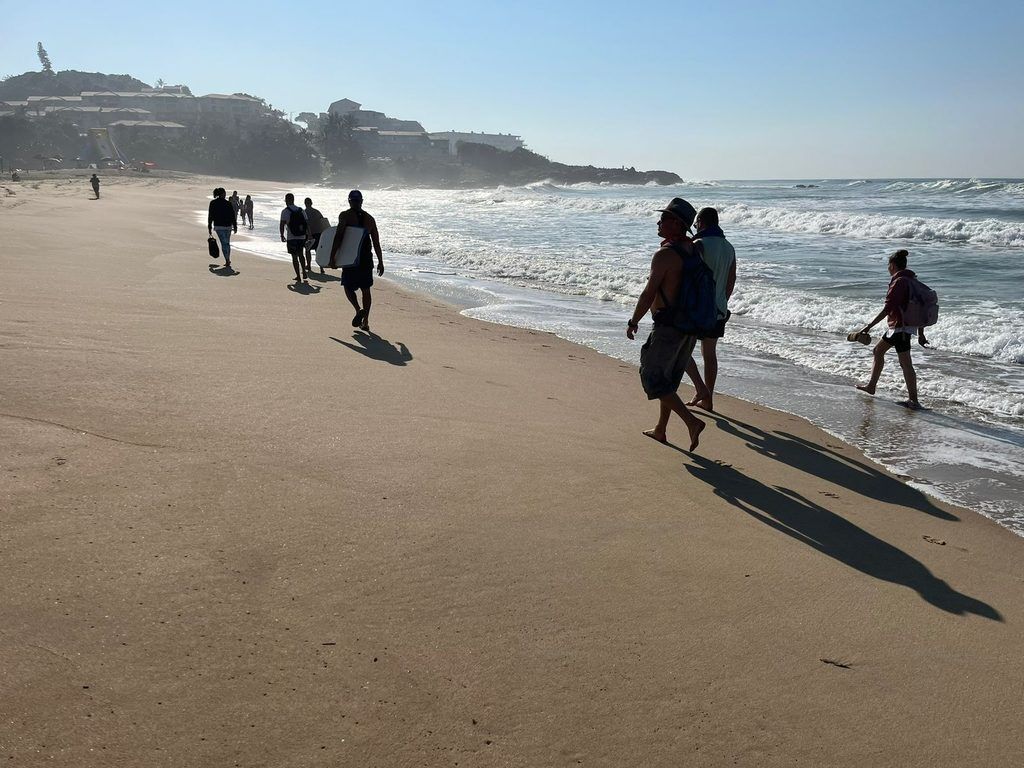
Ramsgate offers a coastal environment away from the pace and pressures of many large urban centres. The area is known for its beaches, natural surroundings and relaxed coastal atmosphere.
For residents attending rehabilitation, the location provides a change from familiar routines and surroundings. The opportunity to spend time in a different environment can complement the structured work of treatment, giving residents space to reflect and participate in healthy daily activities.
The setting is not a substitute for professional treatment. Rather, it forms part of the wider residential experience, alongside therapeutic support, structured routines and opportunities for personal development.
Space to step back from everyday pressures
South Coast Recovery Centre is set on approximately 23 acres on the South Coast.
The property provides room for a structured residential programme, with separate male and female residences, shared facilities and spaces for treatment-related activities.
For someone who has spent months or years caught in the cycle of addiction, stepping away from familiar pressures can create an opportunity to establish a different daily rhythm.
The aim is not simply to remove a person from their usual environment. It is to help them develop the skills and insight needed to return to everyday life with a more considered approach to their recovery.
A location that supports a structured routine
Recovery is built through consistent actions rather than a single dramatic moment.
A balanced residential routine can create opportunities for therapy, physical activity, reflection, personal development and healthy social interaction.
At South Coast Recovery Centre, holistic activities complement the structured treatment programme. The intention is to support wellbeing while residents work on the emotional, behavioural and practical aspects of addiction.
The coastal setting provides a distinctive backdrop for this process, but the quality of the treatment programme and the suitability of the care remain the most important considerations.
How to choose a registered rehabilitation centre in South Africa
The UK Government places particular emphasis on checking the registration of any rehabilitation centre being considered.
This is essential. A professional-looking website, attractive property or positive testimonial does not establish that a facility is properly registered or that it can provide the care someone needs.
Before committing to treatment, ask the provider for its registration details and verify them with the appropriate South African authority.
The South African Department of Social Development has an important role in the registration of substance-use treatment facilities. Confirm the applicable requirements for the particular centre and its services.
Beyond registration, ask detailed questions about the programme.
What professional and clinical support is available?
Find out who conducts assessments, who provides therapeutic support, how medication is managed and what happens if someone requires additional medical or psychiatric care.
Ask about the qualifications and responsibilities of the professionals involved. The centre should explain clearly what it can provide and when a referral to an external specialist or hospital may be necessary.
Does the programme address mental health?
Addiction can occur alongside depression, anxiety, trauma-related difficulties and other mental health conditions.
When these issues coexist, treatment planning should take account of both substance use and the person’s wider needs.
Ask how the centre assesses co-occurring conditions, when psychiatric input is available and how existing medication is managed.
Not every facility provides every specialist service, so transparency about the scope of care is important.
What does the daily programme involve?
A structured residential addiction treatment programme should offer more than accommodation and a timetable.
Ask how individual and group therapy are organised, how residents work towards treatment goals, and how the programme addresses coping skills, personal responsibility and relapse prevention.
Activities such as exercise, meditation and creative expression may complement therapeutic work. They should form part of a balanced approach rather than replace appropriate clinical care.
What support is provided to families?
Addiction affects more than the person using substances. Family members may have experienced anxiety, broken trust, financial strain and uncertainty about what to do next.
Where appropriate, family guidance can help loved ones understand addiction, establish healthier boundaries and prepare for the transition after treatment.
Ask whether the centre offers family support, how relatives can communicate with the treatment team and what involvement is possible while respecting confidentiality.
What happens after residential treatment?
The centre should help residents plan for life beyond the programme.
This may involve ongoing counselling, recovery meetings, family support, relapse-prevention strategies, further structured accommodation or other continuing-care arrangements.
For a UK resident returning home, it is particularly important to consider what support will be available after the journey back. A plan should identify practical next steps rather than simply recommend that the person continue their recovery.
Important considerations before travelling from the UK
Travelling abroad for addiction treatment requires preparation. The UK Government advises prospective patients to consider the risks and make appropriate arrangements before leaving the UK.
Medical assessment and detoxification
Before travelling, the individual should receive appropriate medical advice about their physical health, substance use, withdrawal risks and mental health needs.
Alcohol withdrawal can be dangerous. Withdrawal from certain other substances, including some prescription medicines, may also require careful medical supervision.
Do not assume that every residential rehabilitation centre provides medical detoxification.
South Coast Recovery Centre does not conduct medical detox within its residential programme. Where detoxification is required, appropriate medical care must be arranged before residential treatment begins.
Anyone who may be at risk of serious withdrawal should seek medical advice before travelling rather than attempting to manage the process without suitable clinical support.
Visas and length of stay
Check the current South African visa requirements well before booking flights or committing to a treatment programme.
The UK Government’s rehabilitation guidance advises prospective patients to consider a medical-treatment visa and to allow sufficient time for the programme, including the possibility of an extension if clinically appropriate.
Do not assume that the entry arrangements for a holiday will automatically be suitable for a longer treatment stay. Confirm the correct requirements with the South African authorities or the South African High Commission in the UK.
Travel and medical insurance
The UK and South Africa do not have a reciprocal healthcare agreement. Private medical treatment in South Africa can be expensive if unexpected complications arise.
Contact an insurer before travelling and explain the purpose of the trip. Ask whether the policy covers the individual’s circumstances, including existing conditions, addiction-related emergencies, hospital treatment and repatriation if required.
Do not assume that a standard travel insurance policy will cover every eventuality.
The GOV.UK health advice for South Africa provides further information about healthcare and insurance.
Make a plan if circumstances change
Residential rehabilitation programmes in South Africa are voluntary. A person may decide they no longer wish to continue treatment.
Before travelling, agree on practical arrangements with trusted family members or friends. Ensure they know the treatment provider’s contact details, the intended duration of the stay and the plans for returning home.
Discuss what would happen if treatment needed to be extended, if the person became unwell or if they wanted to leave earlier than planned.
A reputable provider should be willing to discuss these situations honestly.
What happens after rehab?
Recovery does not end when a residential programme is completed.
Returning home can bring new pressures, familiar social situations and emotional challenges. The person may no longer have the same daily structure or immediate access to the support available in rehabilitation.
This is why planning for continuing care is an important part of choosing a treatment provider.
Depending on individual needs, a continuing-care plan may include:
- Ongoing counselling or psychological support.
- Recovery meetings and peer support.
- A written relapse-prevention plan.
- Healthy routines involving sleep, nutrition and physical activity.
- Support from trusted family members and friends.
- Strategies for managing triggers and high-risk situations.
- Further structured accommodation where appropriate.
For UK residents, arrangements should be made with the return home in mind. It is helpful to identify relevant services and support networks before discharge rather than waiting until the person is back in their usual environment.
Residential treatment can establish a foundation, but the work of recovery continues through the choices, routines and support systems built afterwards.
South Coast Recovery Centre: residential addiction treatment in Ramsgate
South Coast Recovery Centre provides structured residential addiction treatment in Ramsgate on the KwaZulu-Natal South Coast of South Africa.
Our programme combines therapeutic support, structured daily routines, personal development and holistic activities to help residents address addiction and develop practical skills for recovery.
Our approach includes:
- Individualised treatment planning.
- Therapeutic support and structured group work.
- Integration of 12-Step principles with therapy.
- Work on coping strategies and relapse prevention.
- Activities supporting physical wellbeing and personal development.
- Family guidance and support where appropriate.
- Planning for continued recovery after residential treatment.
The centre has separate male and female residences, a 24-hour medical clinic staffed by nurses, and facilities supporting the residential programme. Transitional sober-living accommodation is also available for individuals who need further structure as they move towards greater independence.
Residents are assessed on arrival. Where a person’s medical or psychiatric needs fall outside the services we provide, appropriate external care may be required. We are transparent about the fact that medical detoxification is not conducted within our residential programme.
For UK residents, we encourage an open conversation about treatment suitability, programme duration, costs and the practical arrangements required before travelling.
You can learn more on our dedicated page:
Addiction treatment in South Africa for UK residents.
Is longer-term rehab in South Africa the right choice?
There is no single answer that applies to everyone.
For some people, travelling to South Africa may provide access to a different environment and a private residential programme that fits their circumstances and budget. For others, remaining in the UK may be more appropriate because of medical needs, family responsibilities or the importance of local support.
The decision should be based on the individual’s clinical needs, the quality of the proposed programme, the costs involved and the support available after discharge.
Where longer residential treatment is suitable, the potential affordability of a three-month programme may be worth exploring. A programme costing approximately £7,990 can compare favourably with the price of a single month at many private UK facilities, although exact prices and inclusions vary.
The priority should always be finding appropriate treatment, not simply choosing the lowest price or the most attractive location.
Take the first step towards informed treatment decisions
The UK Government’s guidance offers a valuable starting point for anyone considering residential addiction treatment in South Africa. It encourages prospective patients to research facilities, check registration, understand travel and insurance requirements, and prepare for recovery after treatment.
For some UK residents, South Coast Recovery Centre in Ramsgate may be an option worth exploring. Our residential programme offers a structured setting, therapeutic support and a holistic approach to recovery on South Africa’s South Coast.
If you are researching treatment for yourself or someone you love, we encourage you to ask questions, understand the options and discuss whether our programme is suitable for your circumstances.
Contact South Coast Recovery Centre to discuss residential addiction treatment in South Africa and the practical steps involved in planning treatment from the UK.
You can also read our dedicated information for UK residents here:
www.southcoastrecoverycentre.co.za/uk-addiction-treatment/
The UK Government’s guidance is general information, not an endorsement of any individual facility. Always verify registration, confirm treatment arrangements and seek appropriate medical advice before travelling for addiction treatment.
