Anxiety and addiction treatment needs to look beyond the substance itself. For some people, alcohol or drugs become a way of managing overwhelming worry, fear, tension or difficult emotions. What may begin as an attempt to feel calmer can gradually become a pattern of substance use that is difficult to control.
Anxiety can affect how a person thinks, feels and behaves. When substances become the main way of coping, the temporary relief they provide can eventually create more problems, leaving the person caught between anxiety and addiction.

When Anxiety Becomes Something You Need to Escape
Everyone experiences anxiety at times. It becomes more concerning when worry, fear or tension begins to interfere with everyday life.
A person may constantly feel on edge, struggle to switch off their thoughts, avoid situations that make them uncomfortable or find it difficult to relax. Sleep can be affected, relationships can become strained and ordinary responsibilities can begin to feel overwhelming.
For some people, alcohol or drugs appear to offer an immediate way out.
Instead of sitting with uncomfortable feelings, they can use a substance to change how they feel.
The problem is that the relief is temporary.
Why Alcohol or Drugs Can Feel Like a Solution
When someone is anxious, alcohol or drugs may seem to provide exactly what they are looking for.
Alcohol may make someone feel more relaxed or less inhibited. Other substances may temporarily change mood, reduce emotional discomfort or provide an escape from racing thoughts.
This can create a powerful association between anxiety and substance use.
The person feels anxious.
They use a substance.
The anxiety temporarily feels easier to manage.
The effect wears off.
The anxiety returns.
They use the substance again.
Over time, what started as an attempt to cope can become an addiction in its own right.
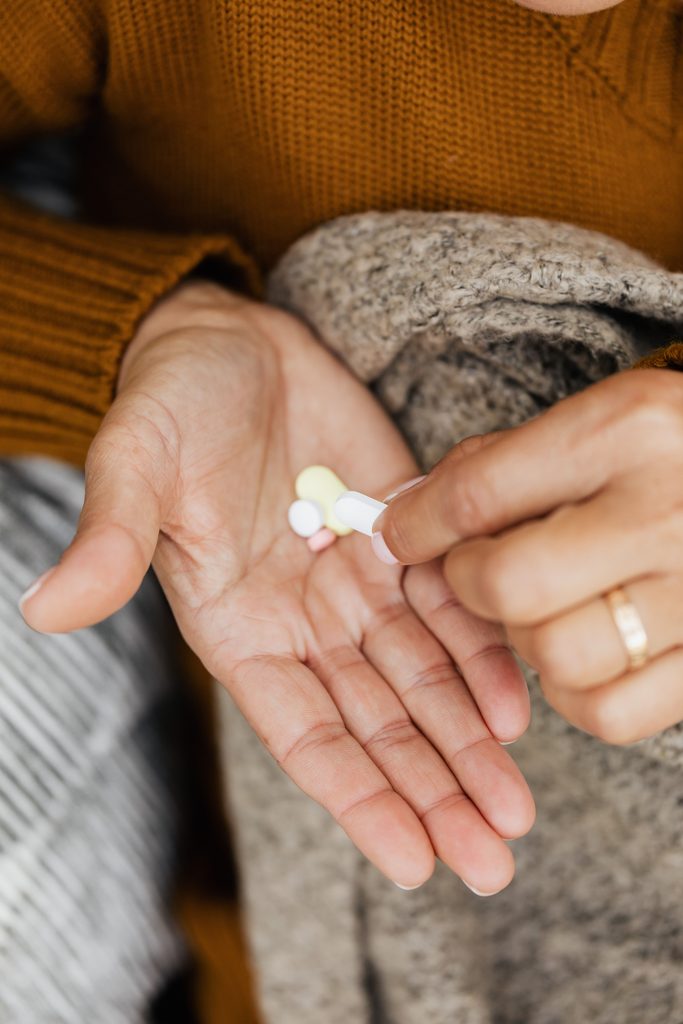
The Cycle Between Anxiety and Addiction
Anxiety and addiction can reinforce one another.
Anxiety → substance use → temporary relief → consequences → increased anxiety → substance use again
The consequences of addiction can create additional sources of anxiety. Financial problems, relationship difficulties, poor health, secrecy, guilt and uncertainty about the future can all increase emotional distress.
This means the person may eventually be using alcohol or drugs not only because they are anxious, but because they have become dependent on the relief that substance use appears to provide.
Breaking this cycle requires more than simply removing the substance.
Anxiety Doesn’t Always Look Like Anxiety
Not everyone recognises that anxiety is influencing their behaviour.
It can appear as constant worrying, irritability, restlessness, difficulty sleeping, racing thoughts, physical tension or an ongoing feeling that something is wrong.
Some people respond to anxiety by avoiding situations, withdrawing from other people or keeping themselves constantly occupied.
Others try to silence it.
Alcohol and drugs can become part of that process.
Understanding what is happening beneath the behaviour can be an important part of recovery.

Anxiety and Alcohol Addiction
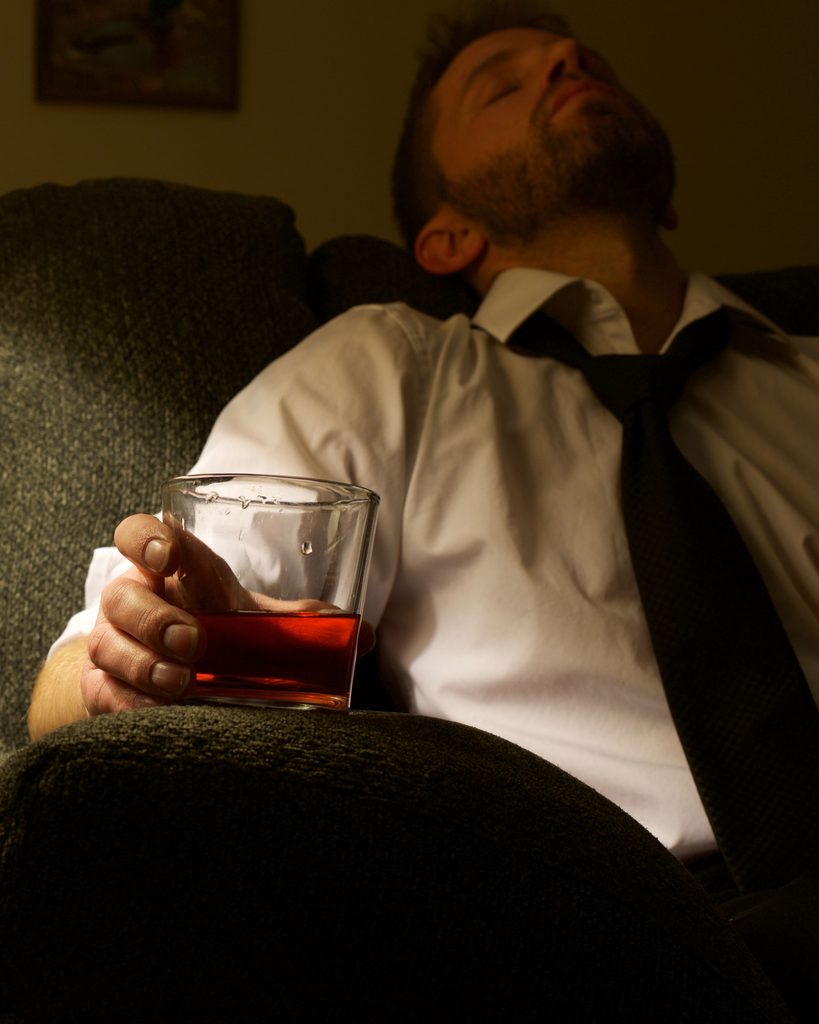
Alcohol is sometimes used as a way of relaxing after a stressful day, managing social situations or escaping difficult thoughts and feelings.
The difficulty is that relying on alcohol to regulate anxiety can gradually change the relationship a person has with drinking.
Instead of drinking because they want to, they may begin to feel that they need to drink in order to feel comfortable.
That distinction matters.
If alcohol has become a person’s primary way of managing anxiety, treatment needs to address both the addiction and the coping pattern behind it.
You can read more about alcohol rehab in South Africa and the treatment options available at South Coast Recovery Centre.
Anxiety and Drug Addiction
Drugs can also become a form of emotional escape.
The specific relationship between anxiety and drug use differs from person to person. Some people use substances to calm themselves, while others may use them to feel more confident, energised or disconnected from uncomfortable thoughts.
What matters is understanding the function the substance has taken on in that person’s life.
If drugs have become the way someone manages anxiety, stopping the substance without developing healthier coping mechanisms can leave them facing the same underlying difficulties without the strategy they had been relying on.
That is why professional addiction treatment needs to look at the individual rather than simply the substance.

Treating the Addiction Without Ignoring the Anxiety
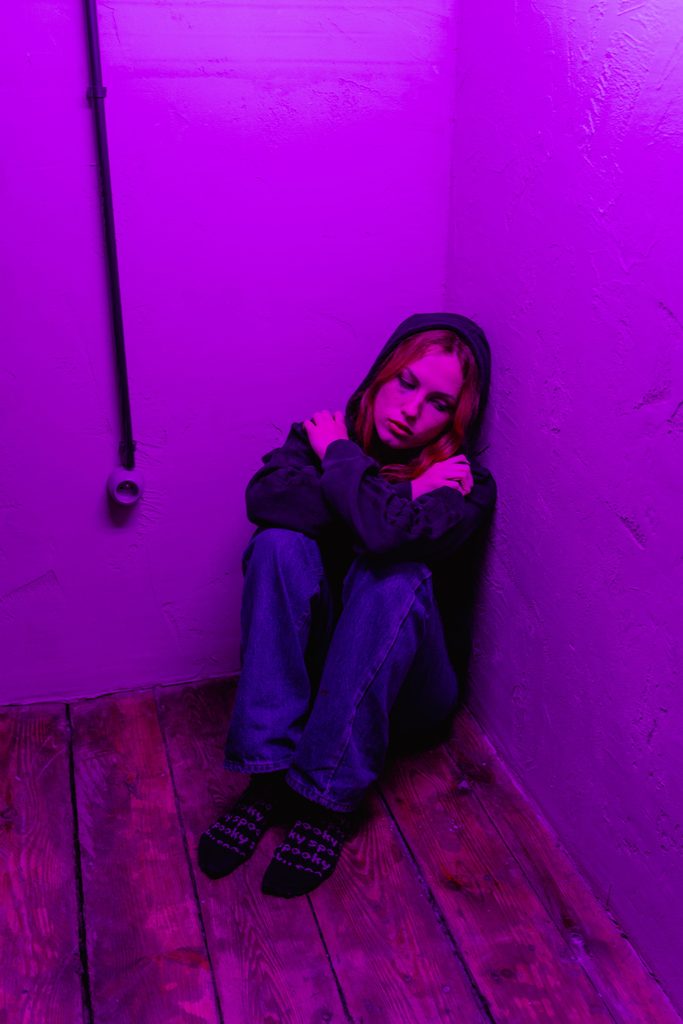
Stopping substance use is an important part of recovery, but it may not address everything that led to the addiction.
If anxiety remains overwhelming and the person has not developed alternative ways of dealing with it, the temptation to return to the old coping mechanism can remain.
Therapeutic work can help a person understand their triggers, recognise patterns of thinking and behaviour, develop emotional awareness and learn healthier ways of responding to difficult situations.
At South Coast Recovery Centre, qualified therapists work with clients as part of a structured addiction treatment programme that considers the wider circumstances contributing to addiction.
Where appropriate, anxiety and other mental-health difficulties can become part of the therapeutic work.
Learning to Cope Without Escaping
Recovery is not simply about removing alcohol or drugs.
It is also about developing ways to deal with life without needing to escape from every uncomfortable feeling.
This can involve learning to recognise emotions, understanding personal triggers, developing healthier routines, improving emotional regulation and finding constructive ways to manage stress and anxiety.
Therapy can help someone begin asking different questions.
Instead of:
“How do I make this feeling disappear?”
The question can gradually become:
“How can I experience this feeling and deal with it without destroying myself?”
That is an important shift in recovery.

Anxiety, Trauma and Addiction
Anxiety can sometimes exist alongside unresolved trauma.
For some people, traumatic experiences can leave them feeling constantly alert, unsafe or overwhelmed. Alcohol or drugs may then become a way of switching off those feelings.
Trauma is not the explanation for every person’s anxiety or addiction, however. Each person’s circumstances are different.
Where trauma is part of an individual’s story, it may need to be addressed alongside the addiction.
You can learn more about trauma and addiction treatment at South Coast Recovery Centre.
Professional Support for Anxiety and Addiction
Anxiety and addiction can become difficult to manage alone, particularly when substance use has become an established coping mechanism.
Professional treatment provides an opportunity to step away from the routines and environments that may be reinforcing substance use and focus on recovery within a structured setting.
At South Coast Recovery Centre, our approach combines addiction treatment with professional therapy, recovery education, structured daily routines, relapse prevention and support for the underlying issues that may contribute to addictive behaviour.
The aim is not simply to help someone stop using.
It is to help them understand what the substance has been doing for them and develop healthier ways of meeting those needs.


Anxiety and Addiction Treatment at South Coast Recovery Centre
South Coast Recovery Centre provides private residential addiction treatment in Ramsgate on the KwaZulu-Natal South Coast.
Our treatment programmes provide structure, professional therapeutic support and an environment where clients can step away from the immediate pressures and patterns associated with substance use.
For some individuals, a 21-day addiction treatment programme provides a structured opportunity to establish sobriety and begin working on recovery. Others may benefit from longer-term residential treatment.
Where continued structure is appropriate, recovery can also follow a phased approach to addiction treatment, allowing greater independence to develop gradually.
The residential environment, professional support and practical structure are all designed to give clients space to concentrate on recovery.
You can also learn more about the residential treatment environment at South Coast Recovery Centre.
You Don’t Have to Manage Anxiety With Alcohol or Drugs
Anxiety can feel overwhelming, particularly when alcohol or drugs have become the quickest way to change how you feel.
But substance use does not have to remain your only coping mechanism.
Recovery can involve learning to understand anxiety rather than constantly running from it, developing healthier emotional responses and discovering that difficult feelings can be experienced without allowing them to control your life.
If anxiety and addiction have become connected, professional addiction treatment can provide an opportunity to address both.

Anxiety and Addiction Treatment in South Africa
If you or someone you love is struggling with anxiety and addiction, South Coast Recovery Centre can help you understand the addiction treatment options available.
We can discuss your circumstances, explain our residential programmes and help you determine what level of treatment may be appropriate.
Our approach looks beyond the addiction to consider the emotional, psychological and behavioural factors that may be contributing to substance use.
You don’t have to keep using alcohol or drugs just to get through the day.
Call South Coast Recovery Centre today.
072 545 5414
Real Change. Lasting Recovery.
Read here to learn more about anxiety and substance abuse according to the NIH.