Emotional regulation and addiction treatment can be closely connected.
Emotional regulation and addiction treatment form the cornerstone of a successful recovery journey. For some people, alcohol or drugs become a way of changing how they feel. A substance may temporarily reduce anxiety, numb emotional pain, create confidence, quiet difficult thoughts or provide an escape from feelings that seem overwhelming.
But temporary emotional relief can become a pattern.
Over time, the person may become increasingly dependent on alcohol or drugs to manage their emotional state. What began as a way of coping can become an addiction.
At South Coast Recovery Centre, we believe addiction treatment needs to address more than the substance itself. Recovery involves understanding how a person experiences emotions, how they respond to them, and what healthier coping mechanisms can replace substance use.
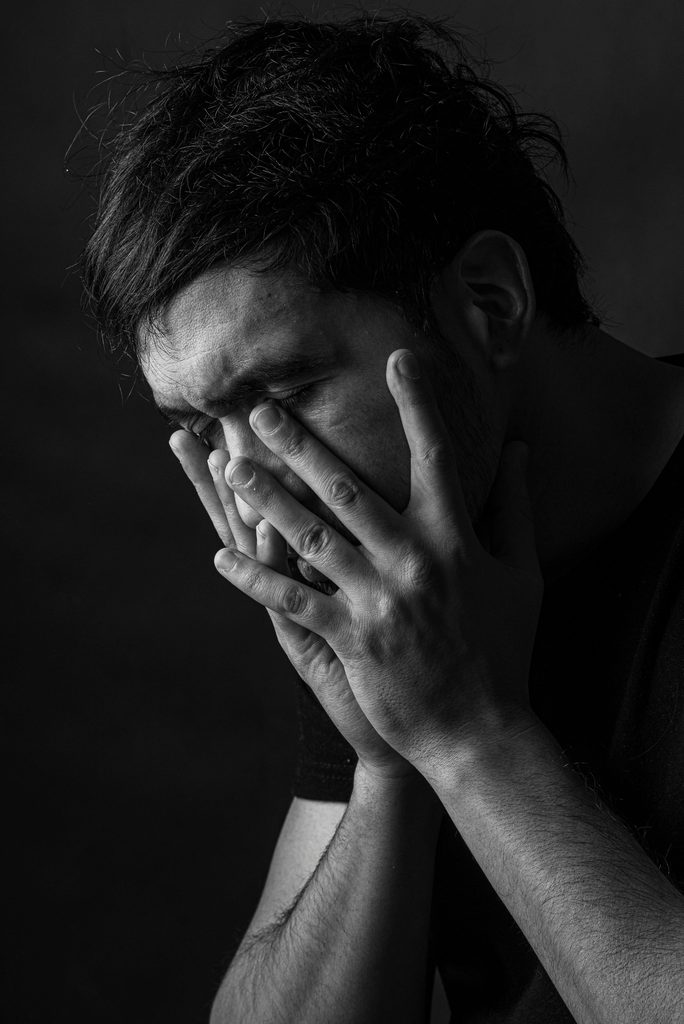
What Is Emotional Regulation?
Emotional regulation is the ability to recognise, understand and manage emotional responses.
It does not mean suppressing emotions or pretending that difficult feelings do not exist.
Everyone experiences anger, sadness, fear, frustration, shame, disappointment and anxiety. Emotional regulation is about developing the ability to experience those emotions without automatically reacting in ways that create further problems.
This can involve:
- Recognising what you are feeling
- Understanding what triggered the emotion
- Tolerating emotional discomfort
- Pausing before reacting
- Considering the consequences of an action
- Communicating feelings appropriately
- Choosing a healthier response
- Recovering after an emotional reaction
Emotional regulation and addiction treatment can become particularly important because alcohol or drugs may have become their primary way of changing how they feel.
When Alcohol or Drugs Become A Way Of Coping
A person does not necessarily begin using alcohol or drugs because they want to become addicted.
Sometimes the original motivation is much simpler.
“I need to calm down.”
“I need to forget.”
“I need to feel confident.”
“I don’t want to think about it.”
“I can’t handle how I feel.”
“I just want to switch off.”
The substance can appear to solve the immediate emotional problem.
But the relief is temporary.
The underlying emotion has not necessarily been processed or resolved. Instead, the brain begins learning that the substance can rapidly change the person’s internal state.
This can create a powerful association between difficult emotions and substance use.
Emotion → discomfort → substance → temporary relief.
Eventually, the person may reach for the substance before considering any other response.
That is where emotional coping can become part of an addictive pattern.

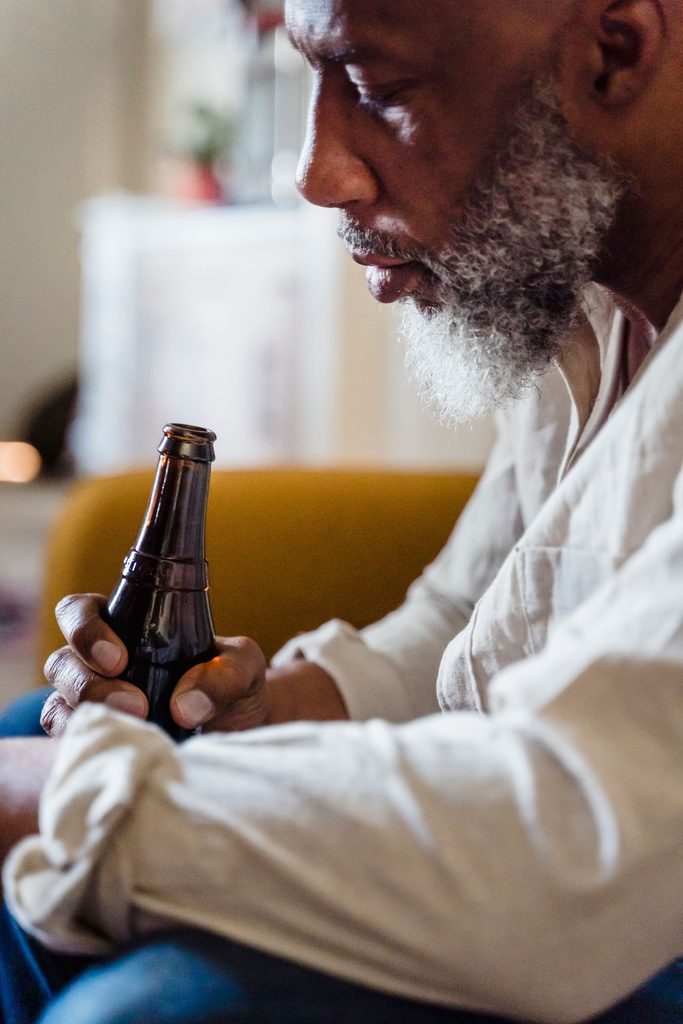
Addiction Can Become a Way of Avoiding Feelings
For some people, addiction is partly about not wanting to feel.
The person may not want to experience grief.
They may not want to feel shame.
They may be frightened of anger.
They may feel unable to tolerate loneliness.
They may have spent years avoiding painful memories.
They may not know how to sit with anxiety without trying to escape it.
Alcohol or drugs can provide a rapid way of changing that internal experience.
But avoiding an emotion does not necessarily resolve the reason it exists.
This is particularly important when addiction occurs alongside trauma, anxiety or depression.
Our Trauma and Addiction Treatment page explores how unresolved trauma can contribute to addictive behaviour, while our Anxiety and Addiction Treatment and Depression and Addiction Treatment pages examine those specific relationships.
When Substance Use Mimics Mental-Health Symptoms
This is an important clinical consideration in addiction treatment.
Alcohol and drugs can affect mood, behaviour, judgement and perception. Intoxication and withdrawal can sometimes produce symptoms that look similar to psychiatric conditions.
For example, substance use may be associated with:
- Anxiety
- Depression
- Irritability
- Agitation
- Mood changes
- Paranoia
- Changes in sleep
- Changes in motivation
- Problems with concentration
SAMHSA explains that substance use can cause mental-health symptoms, while independent mental-health conditions can also contribute to substance use. The two can also exist together.
This means careful assessment matters.
A person experiencing depression during active substance use may have an underlying depressive disorder, substance-related symptoms, withdrawal effects, or more than one factor contributing to what they are experiencing.
Emotional regulation and addiction treatment therefore needs to look at the individual rather than assuming every symptom has the same cause.

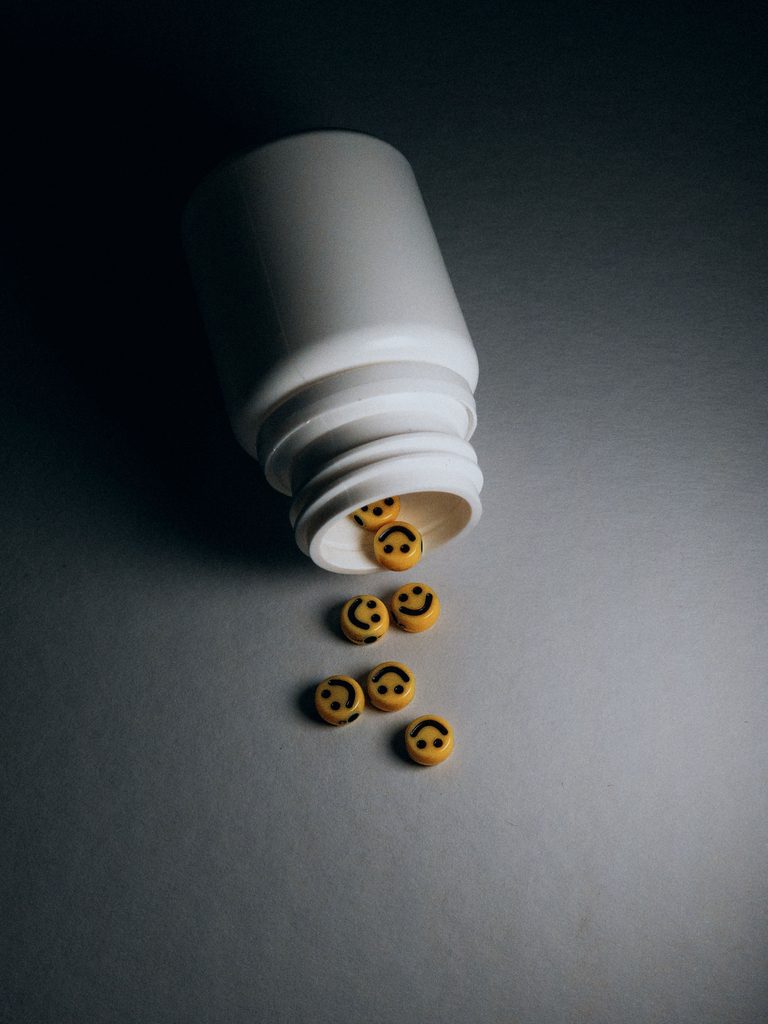
Emotional Intelligence, Impulse and Addiction
Emotional intelligence involves recognising and understanding emotions in yourself and others and using that awareness to guide behaviour and relationships.
For someone in addiction recovery, greater emotional awareness can create an important pause between feeling something and acting on it.
Instead of:
“I feel terrible, so I need to drink.”
The person can begin learning:
“I feel terrible. What is happening, and how can I respond differently?”
That pause matters.
Alcohol and drugs can affect judgement and behaviour, and substance use disorders can involve repeated use despite harmful consequences.
Recovery therefore involves learning to recognise the difference between an emotion, an impulse and an action.
You can experience anger without acting aggressively.
You can experience anxiety without automatically reaching for alcohol.
You can experience sadness without immediately trying to numb it.
You can experience a craving without automatically acting on it.
The feeling may still be there, but the response can change.
Learning to Pause Before Acting
One of the skills developed in recovery is the ability to create space between an emotional reaction and a behaviour.
A person can learn to ask:
What am I feeling?
What triggered it?
What am I wanting to do?
What could happen if I act on this impulse?
What could I do instead?
This does not mean expecting someone to remain calm all the time.
It means developing healthier responses to emotional discomfort.
That can become particularly important for relapse prevention, because emotional states such as stress, anger, loneliness or overwhelming sadness can become triggers for returning to old coping patterns.
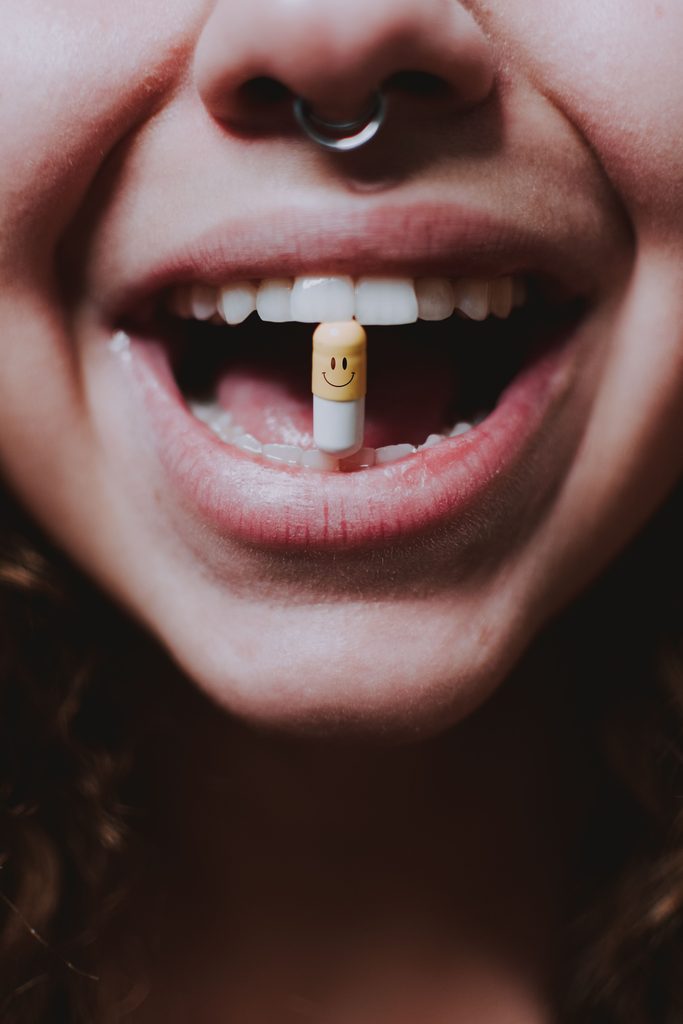

Treating Addiction and Mental Health Together
When addiction and mental-health difficulties occur together, treatment needs to consider both.
SAMHSA recommends integrated care for co-occurring mental-health and substance-use disorders, with assessment and treatment addressing the whole person.
At South Coast Recovery Centre, treatment can include:
- Individual counselling
- Group therapy
- Addiction education
- Emotional regulation
- Relapse prevention
- Personal development
- Recovery planning
- Therapeutic support
- Assessment of mental-health needs
- Appropriate psychiatric support where clinically indicated
The aim is not simply to stop the substance.
It is to help the individual understand their addiction, recognise the patterns surrounding their substance use and develop healthier ways of responding to life.
What Does Emotional Regulation And Addiction Treatment Look Like?
There is no single approach that works for everyone.
Treatment is individualised according to the person’s addiction, mental-health needs, history and recovery goals.
Within a structured residential environment, emotional regulation and addiction treatment can become part of everyday recovery work.
This may involve identifying emotional triggers, understanding thought patterns, developing coping mechanisms, improving communication, recognising relapse warning signs and learning to tolerate difficult emotions without automatically escaping through alcohol or drugs.
Psychological interventions can be effective for a range of mental-health conditions, including depression and anxiety, and can include individual and group approaches


Emotional Regulation and Relapse Prevention
Recovery is not simply about avoiding alcohol or drugs.
It is also about understanding what happens before the urge to use appears.
For some people, the trigger may be an argument.
For another person, it may be loneliness.
For someone else, it may be stress, rejection, grief or overwhelming anxiety.
If substance use has previously been the person’s way of dealing with these emotions, those situations can become relapse risks.
Learning to recognise the emotional trigger and respond differently is therefore an important part of building long-term recovery skills.
Emotional Regulation, Trauma and Mental Health
Emotional regulation can be affected by a person’s wider mental-health history.
Trauma, anxiety and depression can all influence how someone experiences and responds to difficult emotions.
That is why emotional regulation sits naturally within our broader Trauma, Mental Health and Addiction approach.
Our aim is not to treat every issue as a separate problem.
It is to understand how the different parts of a person’s life may be connected.

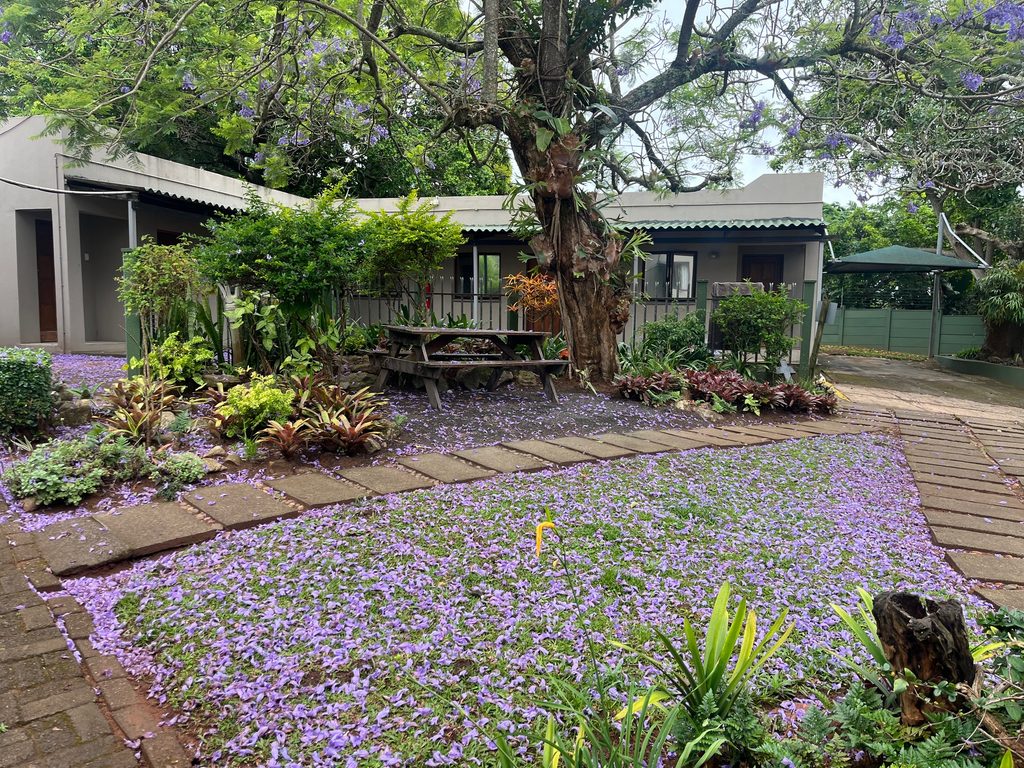
Emotional Regulation and Addiction Treatment at South Coast Recovery Centre
At South Coast Recovery Centre, we recognise that addiction is not simply about the substance.
For some people, alcohol or drugs have become a way of managing emotions that feel too difficult to experience.
For others, substance use has contributed to mental-health symptoms that require further assessment.
And for some, an independent mental-health condition and addiction exist together.
Our structured residential addiction treatment programme provides an environment where clients can begin understanding these patterns and developing healthier responses.
Through professional therapy, addiction education, emotional regulation, relapse prevention and structured recovery work, we help clients begin building the skills required for life beyond addiction.
Where additional mental-health assessment or treatment is clinically appropriate, this can form part of the individual’s wider treatment needs.
A Structured Starting Point for Recovery
For appropriate clients, our 21-Day Addiction Treatment Programme provides a structured period of residential treatment focused on recovery, therapy, addiction education, emotional regulation and relapse prevention.
For people who require longer-term support, our Phased Addiction Treatment approach provides a pathway that can extend beyond primary residential treatment into transitional recovery and structured sober living.
Emotional regulation is not something that develops simply because a person stops using a substance.
It is a skill that can be developed through understanding, practice and healthier responses to everyday life.


Learning to Feel Without Automatically Escaping
A person does not need to stop experiencing difficult emotions to recover from addiction.
They need to become better equipped to experience them.
Anger can be felt without becoming destructive.
Sadness can be experienced without being numbed.
Anxiety can be tolerated without automatically reaching for alcohol.
A difficult day can be difficult without becoming a reason to relapse.
That is the work of emotional regulation.
And for someone whose addiction has become a way of escaping how they feel, learning to feel without automatically escaping can become an important part of lasting recovery.
Emotional regulation and addiction treatment will alleviate the need to escape.
Emotional Regulation and Addiction Treatment in South Africa
When addiction and emotional difficulties have become intertwined, treatment needs to look beyond the substance.
It needs to consider the person’s mental health, emotional patterns, behaviour, relationships and underlying circumstances.
At South Coast Recovery Centre, we believe meaningful recovery involves understanding not only what a person is using, but also why they have come to rely on it.
If alcohol or drugs have become your way of managing difficult emotions, professional help is available.
Speak to an addiction specialist at South Coast Recovery Centre today: 072 545 5414