Depression and Addiction Treatment
Depression and addiction can become deeply connected, with each condition making the other more difficult to manage.
For some people, depression existed long before their addiction. Alcohol or drugs may initially have provided temporary relief from sadness, emptiness, hopelessness or emotional pain. Over time, however, substance use can become another source of problems, potentially worsening depression and creating a cycle that becomes increasingly difficult to break.
At South Coast Recovery Centre, we believe addiction treatment must look at the whole person. When depression and addiction occur together, recovery needs to address both the substance use and the mental-health factors that may be contributing to it.
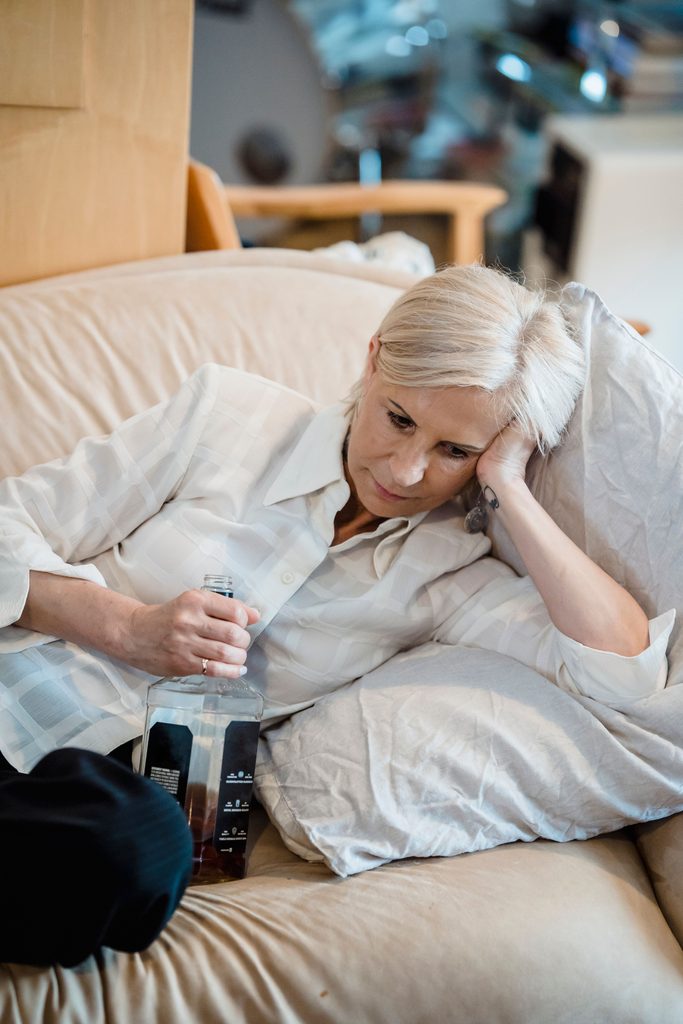
What Is Depression?
Depression is more than simply feeling sad or having a difficult day.
Depressive disorder is a mental-health condition characterised by persistent low mood or a loss of interest or pleasure in activities. A depressive episode generally involves symptoms occurring for most of the day, nearly every day, for at least two weeks. Symptoms can include low energy, disrupted sleep, changes in appetite, poor concentration, feelings of worthlessness or excessive guilt, hopelessness and thoughts of death or suicide.
Depression can affect relationships, work, motivation, physical wellbeing and a person’s ability to cope with everyday life.
It can also affect how someone sees themselves and their future.
For some people, the emotional weight becomes so difficult to carry that alcohol or drugs begin to feel like an escape.
When Depression Comes Before Addiction
Not everyone who develops an addiction has an underlying mental-health condition. But for some people, depression is already present before substance use becomes problematic.
They may be trying to cope with:
- persistent sadness
- emotional emptiness
- hopelessness
- loneliness
- low self-worth
- loss of motivation
- overwhelming thoughts
- unresolved grief
- emotional pain
- difficulty facing everyday life
Alcohol or drugs may initially seem to provide relief.
Someone who feels emotionally numb may feel something again.
Someone who cannot sleep may use a substance to switch off.
Someone overwhelmed by negative thoughts may use alcohol or drugs to temporarily quiet their mind.
The problem is that temporary relief does not resolve depression.
It can instead create a pattern where the person increasingly relies on the substance to manage how they feel.
Mental-health conditions can contribute to substance use, while substance use can also contribute to or worsen mental-health symptoms. This relationship is recognised in the treatment of co-occurring mental-health and substance-use disorders.

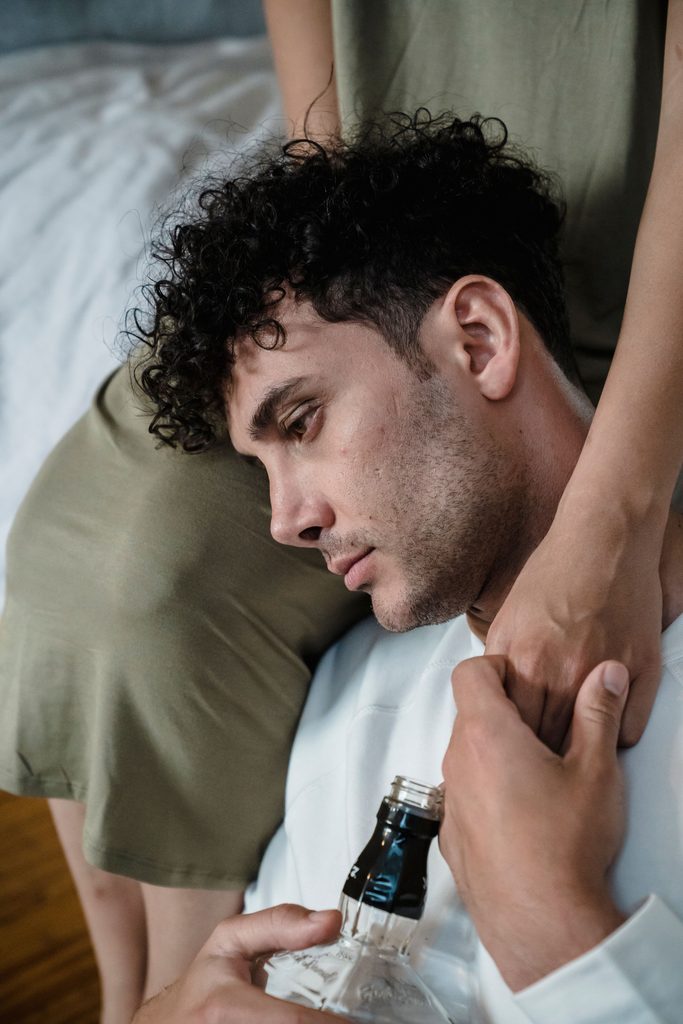
When Substances Make Depression Worse
Alcohol and drugs may change how a person feels temporarily, but that does not mean they are treating the depression.
Continued substance use can create additional problems involving relationships, finances, work, physical health and emotional wellbeing. Those consequences can then add further stress and distress.
The cycle can look something like this:
Depression → substance use → temporary relief → consequences → deeper emotional distress → more substance use.
Over time, the substance can become the person’s primary coping mechanism.
WHO specifically advises avoiding or reducing alcohol and avoiding illicit drugs because they can make depression worse.
This is why simply telling someone with depression to stop drinking or using drugs may not address the full problem.
The question is also:
What were the substances helping them escape from in the first place?
Depression and Alcohol Addiction
Alcohol is sometimes used as a way of coping with sadness, loneliness, anxiety or emotional pain.
A person may believe that drinking helps them relax, forget or feel better. But as drinking becomes more frequent or difficult to control, the consequences can begin adding to the very problems the person was trying to escape.
Relationships may deteriorate.
Motivation may disappear.
Sleep may become disrupted.
Work may suffer.
Financial pressure can increase.
And the person may become increasingly isolated.
The result can be a destructive relationship between depression and alcohol addiction, where drinking and depression continually reinforce one another.
Our approach is not simply to remove alcohol. It is to understand what role alcohol has been playing in the person’s life and help them develop healthier ways of coping.
For people who need a structured residential environment, our Alcohol treatment page can provide more information about treatment specifically for alcohol addiction.

Depression and Drug Addiction
The same pattern can occur with drugs.
Different substances can produce different short-term effects, but using drugs to escape depression, emotional pain or unwanted thoughts can eventually create additional physical, psychological and social problems.
Some people may use stimulants because they feel emotionally flat or exhausted.
Others may use sedating substances because they want to escape their thoughts or feelings.
The substance can become increasingly important while other areas of life begin to deteriorate.
This is why depression and drug addiction need to be understood together rather than treated as completely separate problems.
Treatment needs to establish what is happening with the substance use, what is happening with the person’s mental health, and how the two conditions may be interacting.
Depression Can Be Part of a Much Bigger Picture
Depression does not always exist in isolation.
For some people, depression is connected to trauma, grief, anxiety, chronic stress, low self-esteem or difficulty regulating emotions.
That is why understanding the underlying causes of addiction is so important.
Our Trauma, Mental Health and Addiction page provides a broader look at the relationship between mental health and addiction.
We also recognise that depression and anxiety can overlap, particularly when substances are being used as a way of coping.
Our Anxiety and Addiction Treatment page explores that relationship in greater depth.
This internal linking is important because it gives the visitor somewhere relevant to go while also strengthening the relationship between these pages within the overall topic.


Treating Addiction Without Ignoring Depression
One of the most important principles of effective treatment for co-occurring conditions is that both problems need to be recognised and addressed.
Psychiatry Online describes co-occurring disorders as the presence of a mental-health disorder alongside a substance-use disorder and recommends integrated care that addresses both.
At South Coast Recovery Centre, our approach looks beyond the addiction itself.
Treatment can include:
Assessment and individualised treatment planning
Understanding the person’s substance use, mental-health history, circumstances, emotional patterns and recovery needs.
Individual counselling
Providing a confidential environment to explore the issues contributing to substance use and develop healthier coping strategies.
Cognitive Behavioural Therapy
Helping clients recognise unhelpful thought patterns and behaviours and develop more constructive ways of responding.
Group therapy
Creating an environment where clients can share experiences, develop insight and learn from others in recovery.
Trauma-informed therapy
Recognising that past experiences may influence present-day emotional and behavioural patterns.
Emotional regulation
Learning to experience difficult emotions without automatically trying to escape, suppress or numb them through substances.
Relapse prevention
Identifying triggers, warning signs and coping strategies that can help support continued recovery.
Psychiatric support where clinically appropriate
Where a mental-health condition requires psychiatric assessment or medication management, appropriate professional support forms part of the wider treatment picture.
Psychological treatments are established treatments for depression, while medication may also be appropriate depending on the severity and individual circumstances.
What Does Depression and Addiction Treatment Look Like?
Treatment is not simply a matter of stopping drugs or alcohol and sending someone home.
For someone with depression and addiction, residential treatment provides an opportunity to step away from the environment in which the addictive behaviour has developed and begin establishing a structured routine.
At South Coast Recovery Centre, treatment includes structured daily routines, individual counselling, group therapy, recovery education, emotional regulation, relapse prevention, personal development and practical recovery work.
The aim is to help the person begin rebuilding their life while understanding the factors that contributed to their addiction.
Where appropriate, prescribed psychiatric medication can continue under medical supervision. Medication decisions and psychiatric treatment need to be based on the individual’s clinical circumstances rather than assuming that everyone with depression requires medication.
If a person requires medical detoxification, this is not performed at SCRC and appropriate hospital-based care is arranged.


Depression, Addiction and Emotional Regulation
This is an important connection for SCRC and one I would deliberately include because it links directly to the next part of our topical cluster.
Many people struggling with addiction have learned to escape uncomfortable emotions rather than process them.
Sadness becomes something to numb.
Anger becomes something to suppress.
Fear becomes something to escape.
Loneliness becomes something to drink away.
Shame becomes something to hide.
Depression can make these emotions feel even heavier.
Learning emotional regulation does not mean eliminating difficult emotions. It means developing healthier ways of understanding, experiencing and responding to them.
Depression and Addiction Treatment at South Coast Recovery Centre
At South Coast Recovery Centre, we recognise that addiction rarely tells the whole story.
For some people, depression has been present for years before they ever enter addiction treatment.
For others, depressive symptoms have developed or intensified alongside prolonged substance use.
And for some, the relationship between the two is complicated and needs careful professional assessment.
Our treatment approach looks at both.
We provide a structured residential addiction treatment environment where clients can work with qualified professionals, explore the underlying factors contributing to their addiction, develop healthier coping mechanisms and build the foundations for long-term recovery.
Our existing Dual Diagnosis Treatment page provides further information about how SCRC approaches co-occurring mental-health and substance-use conditions.


A 21-Day Starting Point for Recovery
For some individuals, a structured 21-day addiction treatment programme provides an opportunity to step away from active addiction and begin the recovery process.
The programme includes structured therapy, addiction education, individual counselling, group work, emotional regulation, relapse prevention and recovery planning.
Where qualifying medical-aid benefits and clinical authorisation apply, inpatient addiction treatment may be covered depending on the individual’s scheme and plan.
Learn more about our 21-Day Addiction Treatment Programme.
For people who require a longer period of support, SCRC also provides long-term residential treatment and a phased approach to recovery.
Our Phased Addiction Treatment page explains how residential treatment can form part of a longer recovery journey.
Depression and Addiction Treatment in South Africa
If depression and addiction have become intertwined, treating only the substance may leave important questions unanswered.
Why did the substance become necessary?
What was the person trying to escape?
What happens emotionally when the substance is removed?
What healthier coping mechanisms need to be developed?
What support is required for the person’s mental health?
These questions are central to meaningful recovery.
At South Coast Recovery Centre, we believe addiction treatment should address the individual rather than simply the substance.
If you or someone you love is struggling with depression and addiction, professional help is available.
You don’t have to keep using substances to escape how you feel.
Recovery can begin with understanding what is underneath the addiction.