Our Approach to Addiction Recovery
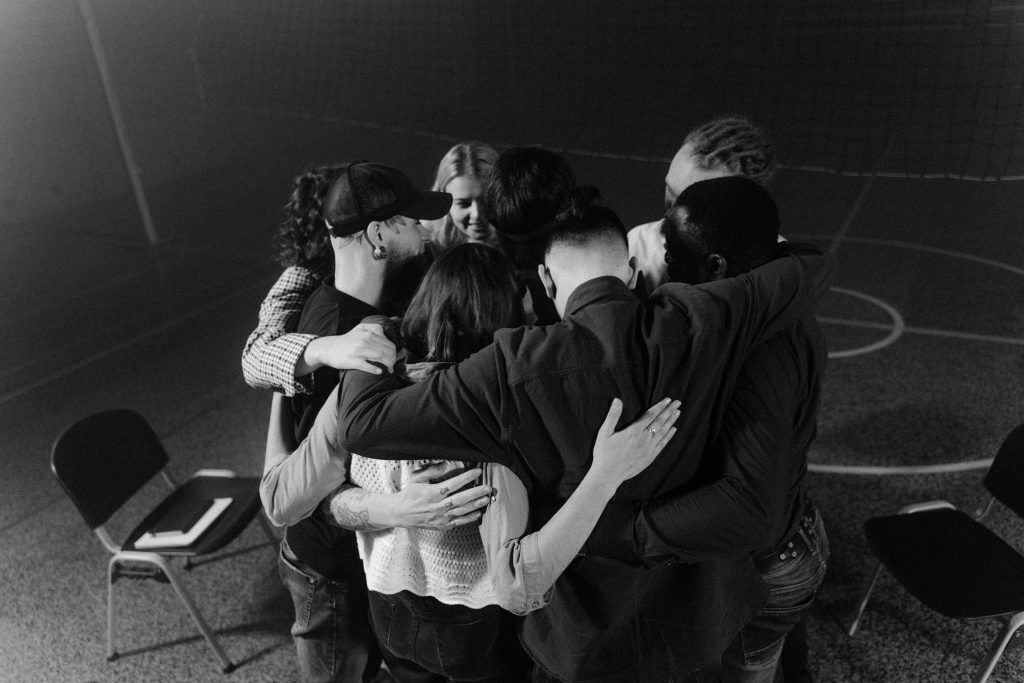
Understanding the Person Behind the Addiction
At South Coast Recovery Centre (SCRC) private addiction treatment centre, we believe meaningful recovery begins when we look beyond the addiction and start understanding the person experiencing it.
Alcohol, drugs and addictive behaviours can become ways of coping with difficult emotions, painful experiences, mental health challenges or circumstances that feel impossible to manage. For some people, these patterns have developed over many years. For others, addiction has become intertwined with anxiety, depression, trauma, grief, relationship difficulties or a loss of self-worth.
Stopping the addictive behaviour is an important first step, but recovery involves more than abstinence. It means understanding personal patterns, developing healthier coping mechanisms, rebuilding relationships and learning to approach life’s challenges differently.
Since 2001, South Coast Recovery Centre has helped individuals begin this process through structured residential care, therapeutic support, the 12 Steps and personal development.
Our approach is built around an important principle: recovery is not about breaking a person down. It is about helping them rebuild their lives.
Looking Beyond the Addiction
Addiction does not develop in exactly the same way for everyone. Two people may struggle with the same substance but have very different histories, emotional needs and reasons for using it.
For one person, alcohol may have become a way to manage anxiety. For another, drugs may provide temporary relief from emotional pain, unresolved trauma or feelings of inadequacy. Someone else may have developed destructive patterns through stress, loss, relationship difficulties or repeated attempts to escape uncomfortable emotions.
These are possibilities, not assumptions. Understanding each person’s circumstances is an important part of developing an appropriate treatment plan.
At SCRC, we encourage residents to explore the relationship between their thoughts, emotions, behaviour and addictive patterns. This helps them begin recognising what happens before the urge to use, what keeps the cycle going and what healthier responses they can develop.
The aim is not to blame the past or search for a single explanation for addiction. It is to develop greater self-awareness and identify the areas where meaningful change is possible.


Mental Health, Trauma and Underlying Issues
Addiction can exist alongside anxiety, depression, trauma-related difficulties and other mental health conditions. Sometimes these challenges contribute to substance use; in other cases, prolonged addiction can worsen a person’s emotional and psychological wellbeing. The relationship is not always straightforward.
That is why mental health matters in recovery.
At South Coast Recovery Centre, we recognise the importance of considering the wider emotional and psychological picture rather than focusing exclusively on alcohol, drugs or addictive behaviour.
Therapeutic work may explore issues such as:
- Anxiety, depression and ongoing emotional distress.
- Past experiences, trauma, grief and unresolved loss.
- Low self-esteem, shame, guilt and negative self-perception.
- Anger, resentment and difficulties managing emotions.
- Unhelpful thinking patterns and destructive behaviour.
- Relationship difficulties, boundaries and personal responsibility.
- Triggers, cravings and the patterns that can contribute to relapse.
Every person’s needs are different. These issues are explored according to the individual’s circumstances and treatment plan, rather than assuming that every resident has the same underlying difficulties.
Where a mental health condition requires further clinical assessment or psychiatric support, this is considered as part of the person’s wider treatment needs.
Our objective is to help residents develop a clearer understanding of themselves and begin building healthier ways of responding to the challenges they face.
Therapy That Encourages Real Change
Insight is important, but understanding a problem is only part of the process. Recovery also involves learning and practising different ways of thinking, feeling and behaving.
Therapy provides an opportunity to explore personal difficulties in a supportive, structured environment. Through individual counselling and group-based therapeutic work, residents can examine the patterns that have affected their lives and begin developing more constructive responses.
Therapeutic work can include:
Understanding thought patterns: Recognising how beliefs, assumptions and habitual thinking influence emotions and behaviour.
Emotional regulation: Learning to recognise difficult emotions and respond to them without automatically turning to alcohol, drugs or other destructive coping mechanisms.
Personal accountability: Taking responsibility for choices and behaviour without becoming trapped in shame or defining oneself by past mistakes.
Self-esteem and identity: Challenging negative self-perceptions and developing a healthier understanding of personal strengths, values and potential.
Communication and relationships: Developing healthier ways to communicate, manage conflict, establish boundaries and rebuild trust where possible.
Relapse prevention: Identifying personal triggers, recognising warning signs and developing practical strategies for responding to high-risk situations.
The purpose of this work is not to expect perfection. It is to help residents develop greater awareness, practise healthier responses and make changes that can continue beyond their stay in treatment.
The 12 Steps: A Framework for Personal Growth
The 12 Steps form an important part of the recovery approach at South Coast Recovery Centre. They provide a framework for examining addiction, accepting the need for change, developing honesty, taking responsibility and building a foundation for ongoing recovery.
We integrate the 12-Step philosophy with therapeutic work and personal development. Rather than treating the steps as words to memorise, we encourage residents to consider how their principles relate to their own lives.
This can involve recognising patterns that have become difficult to control, examining attitudes and behaviours, addressing resentment, developing humility, learning accountability and considering how past actions have affected themselves and others.
The process also encourages residents to build connections with others in recovery and recognise the value of honesty, willingness and continued personal growth.
The 12 Steps do not replace professional therapy or appropriate mental health care. They form part of a broader approach that combines recovery principles with individual therapeutic needs.
For more information, visit our dedicated 12-Step Addiction Treatment page.
What Recovery Looks Like At South Coast Recovery Centre Private Addiction Treatment Centre
Recovery is not confined to a counselling session. Much of the work happens through the structure, relationships, choices and routines that make up everyday life in residential treatment.
At South Coast Recovery Centre, residents follow a structured programme designed to support recovery, personal development and the gradual rebuilding of healthier habits.
Depending on their individual treatment plan, the programme includes:
Individual counselling and therapeutic support
Residents have opportunities to explore personal challenges, emotional patterns and recovery goals with their counsellor.
Group therapy and peer support
Group-based work allows residents to share experiences, develop insight, learn from others and practise communicating honestly and constructively.
12-Step recovery work
Residents engage with recovery principles that encourage acceptance, honesty, accountability and continued personal growth.
Recovery education and guided reflection
Structured learning helps residents understand addiction, recognise destructive cycles, identify triggers and develop practical recovery skills.
Emotional and behavioural development
Residents work towards recognising emotional responses, improving decision-making and developing healthier ways of managing stress, frustration and interpersonal difficulties.
Physical wellbeing and healthy routines
Exercise, sport, nutritious meals, rest and daily structure support the development of healthier lifestyle habits. Activities may also include mindfulness, meditation and yoga.
Relapse prevention and recovery planning
Residents identify potential challenges, consider warning signs and develop strategies to support their recovery after leaving the residential environment.
Individualised treatment planning
Each resident’s needs, circumstances, progress and recovery goals help inform the treatment approach. The aim is to provide appropriate support rather than assume that a single programme works identically for everyone.
These elements work together to help residents develop the awareness, practical skills and personal responsibility needed to continue their recovery.


A Structured Environment for Change
Stepping away from familiar surroundings can give a person valuable space to focus on recovery. At SCRC, residential treatment provides structure, therapeutic support and an opportunity to establish healthier daily routines away from many of the pressures and patterns associated with active addiction.
Our centre is situated in Ramsgate on KwaZulu-Natal’s South Coast, within a natural setting that provides space for reflection, physical activity and personal development.
Residents have access to separate male and female accommodation, communal spaces, counselling facilities, outdoor areas and structured daily activities.
Professional support and medical oversight form part of the residential environment. SCRC does not provide medical detoxification onsite. Where detoxification is required, hospital-based care must be arranged before residential treatment.
The aim of the environment is to provide stability and support while residents focus on the work of recovery.
Recovery Does Not End at the Centre
Returning to everyday life brings its own challenges. Family relationships, work, responsibilities, social situations and familiar environments can test the skills developed during treatment.
Preparing for these challenges is therefore an important part of recovery.
Residents work towards recognising their personal warning signs, developing a relapse prevention plan, establishing healthier routines and identifying the support they may need after treatment.
For individuals who require continued structure, SCRC also offers longer-term treatment options and a separate Sober Living House, subject to individual suitability and admission requirements.
The goal is to help each person move towards greater independence while recognising that recovery is an ongoing process. Continued support, personal accountability and the willingness to keep learning all have a role to play.
A Different Way Forward
Addiction can affect almost every area of a person’s life. It can damage relationships, undermine confidence, affect mental health and leave someone feeling disconnected from the person they once were.
But a person’s past does not have to determine their future.
At South Coast Recovery Centre, we approach recovery as an opportunity to understand old patterns, address underlying difficulties, develop healthier coping strategies and begin rebuilding a meaningful life.
We cannot promise that the process will always be easy, or that every challenge can be resolved during a stay in treatment. What we can offer is a structured environment, therapeutic support and a recovery programme that encourages honesty, personal responsibility and change.
Real change begins when we stop looking only at the behaviour we want to change and start understanding the person who needs support.
Take the First Step
If you are concerned about your own alcohol or drug use, or worried about someone you love, speaking to an addiction specialist can help you understand the options available.
Our admissions team can explain the treatment process, discuss individual circumstances and help you determine whether South Coast Recovery Centre may be an appropriate option.
Contact South Coast Recovery Centre for a confidential conversation.
Telephone: 072 545 5414
Email: enquiries@scrc.co.za
Recovery is possible, and asking for help can be the beginning of a different direction.
For a more informative understand the Signs That You May Need Drug and Alcohol Rehab
