Addiction treatment is about far more than helping someone stop using alcohol or drugs. It is a process of rebuilding lives that have been affected physically, emotionally, psychologically, and spiritually by addiction. While breaking free from substance use is an essential first step, lasting recovery comes from addressing the underlying causes of addiction, developing healthier ways of coping with life’s challenges, and creating a meaningful future that no longer depends on substances for escape or relief.
At South Coast Recovery Centre (SCRC), we believe recovery is not achieved by breaking people down, but by helping them rebuild. Every person who walks through our doors arrives with a unique story, shaped by their experiences, relationships, struggles, and hopes. Our role is to provide a safe, compassionate environment where healing can begin through evidence based therapies, holistic practices, personal growth, and genuine human connection.
Our holistic addiction treatment programme recognises that addiction affects every aspect of a person’s life. That is why we focus on healing the whole person rather than simply treating the symptoms of addiction. By integrating professional therapy, trauma informed care, the Twelve Step programme, mindfulness, physical wellbeing, family support, and relapse prevention planning, we help our clients build the knowledge, resilience, and confidence needed for long term recovery.
Whether you are seeking help for yourself or someone you love, understanding how addiction treatment works is the first step towards lasting change. This guide explains what addiction treatment involves, why professional support matters, and how a holistic approach can help people reclaim their health, relationships, and sense of purpose.

What Is Addiction Treatment?
Addiction treatment is a structured process that helps individuals overcome dependence on alcohol, drugs, or behavioural addictions by addressing not only the addiction itself but also the underlying factors that contribute to it. While many people believe treatment is simply about stopping substance use, effective addiction treatment goes much further. It helps people understand why addiction developed, how it has affected their lives, and what is needed to achieve lasting recovery.
Addiction is a complex condition that changes the way the brain functions. Over time, repeated substance use alters the brain’s reward system, making it increasingly difficult to experience pleasure, cope with stress, or make healthy decisions without the substance. This is why addiction cannot simply be overcome through willpower alone. As the condition progresses, many people continue using despite serious consequences affecting their health, relationships, careers, finances, and emotional wellbeing.
Professional addiction treatment provides the structure, guidance, and support needed to break this cycle. It offers a safe environment where individuals can begin healing physically while exploring the emotional, psychological, social, and spiritual aspects of their addiction. Through a combination of evidence based therapies, education, personal reflection, peer support, and healthy lifestyle changes, clients develop the skills needed to manage cravings, regulate emotions, rebuild relationships, and create a fulfilling life in recovery.
No two people experience addiction in the same way. Some may have developed dependence following years of alcohol misuse, while others may have become trapped by prescription medication, illicit drugs, or compulsive behaviours. Many are also living with unresolved trauma, anxiety, depression, grief, or other mental health challenges that fuel their addiction. For this reason, effective addiction treatment must always be personalised to meet the unique needs, experiences, and goals of each individual.
At South Coast Recovery Centre, we believe successful addiction treatment means far more than achieving abstinence. It is about helping people rebuild their confidence, restore their physical and mental health, reconnect with their families, discover renewed purpose, and develop the resilience to maintain recovery long after they leave our care. Recovery is not simply about removing substances from a person’s life. It is about helping them build a life they no longer want to escape from.
Recognising When Someone Needs Addiction Treatment
One of the greatest challenges with addiction is that it often develops gradually. What may begin as occasional or recreational substance use can slowly become a pattern of dependence that affects every area of a person’s life. Because this progression is often subtle, many people do not recognise the seriousness of their addiction until significant consequences have already occurred.
It is also common for people living with addiction to minimise or deny the extent of the problem. They may believe they can stop whenever they choose, blame external circumstances for their substance use, or compare themselves with others who appear to be worse. Family members may also struggle to recognise when professional intervention has become necessary, hoping that promises to change or periods of temporary sobriety will be enough.
While every person’s experience is different, there are several common signs that indicate addiction treatment may be needed. These include losing control over alcohol or drug use, experiencing cravings or withdrawal symptoms, repeatedly trying and failing to quit, continuing to use despite negative consequences, neglecting responsibilities at home or work, becoming increasingly isolated, or finding that substance use has become the centre of daily life.
Many people entering treatment also experience emotional and psychological difficulties. Anxiety, depression, persistent stress, mood changes, shame, guilt, and unresolved trauma frequently exist alongside addiction. In many cases, substances become a way of coping with emotional pain rather than the cause of it. Unless these underlying issues are addressed, the risk of relapse remains significantly higher.
Families often notice changes before the individual does. Trust may begin to break down as secrecy, dishonesty, financial problems, conflict, or unpredictable behaviour become more frequent. Loved ones can feel frightened, frustrated, or helpless as they watch someone they care about become consumed by addiction. Seeking professional addiction treatment is not a sign of failure. It is a proactive step towards restoring health, rebuilding relationships, and creating a safer future for everyone involved.
If you recognise yourself or someone you love in these experiences, it is important not to wait for the situation to become worse. Addiction is a progressive condition, but it is also highly treatable. The earlier treatment begins, the greater the opportunity to prevent further physical, emotional, financial, and relational harm while building the foundations for lasting recovery.


What Happens During Addiction Treatment?
Beginning addiction treatment can feel overwhelming, especially for someone who has never been to a rehabilitation centre before. Many people arrive feeling anxious, uncertain, or even fearful about what lies ahead. At South Coast Recovery Centre, we understand these concerns and believe that recovery begins by creating a safe, welcoming environment where every client is treated with compassion, dignity, and respect.
Although every treatment plan is personalised, the recovery journey generally follows a structured process designed to support healing at every stage.
Comprehensive Assessment
Treatment begins with a thorough assessment of each client’s physical health, psychological wellbeing, addiction history, family relationships, and personal circumstances. This allows our multidisciplinary team to develop an individualised treatment plan that addresses each person’s unique needs rather than applying a one size fits all approach.
Medical Detoxification
For some individuals, particularly those dependent on alcohol, opioids, or certain prescription medications, a medically supervised detoxification may be required before therapeutic work can begin. Detox focuses on managing withdrawal symptoms safely while preparing clients for the emotional and psychological aspects of recovery. While detox is an important first step, it is only the beginning of the treatment journey and should never be viewed as a complete solution to addiction. For a safe medical detox individuals are referred to a local, private hospital under medical supervision.
Therapeutic Recovery
Once clients are physically stable, the focus shifts towards understanding the underlying causes of addiction. Individual counselling, group therapy, psychoeducation, and guided self reflection help clients explore unhealthy thinking patterns, emotional triggers, past experiences, and behaviours that contribute to substance use. Rather than simply treating symptoms, therapy aims to create lasting behavioural and emotional change.
Holistic Healing
Recovery involves far more than psychological therapy alone. Addiction affects every aspect of a person’s wellbeing, which is why our programme incorporates holistic practices that support healing of the mind, body, and spirit. Activities such as mindfulness, yoga, physical exercise, healthy nutrition, meditation, and personal development help clients rebuild healthy routines while reducing stress and improving emotional resilience.
Building Skills for Life
A vital part of addiction treatment involves preparing clients for life beyond residential care. Clients learn practical strategies for managing cravings, regulating emotions, preventing relapse, improving communication, rebuilding relationships, and coping with everyday challenges without turning to alcohol or drugs. Developing these life skills helps create the confidence needed to maintain recovery in the real world.
Family Involvement
Addiction rarely affects just one person. Families often experience significant emotional pain, broken trust, and confusion throughout a loved one’s addiction. Where appropriate, family involvement in the recovery process helps improve understanding, strengthen communication, and begin repairing relationships that may have been damaged over time.
Preparing for Long Term Recovery
Recovery does not end when residential treatment finishes. Before discharge, each client works with the treatment team to develop a personalised continuing care plan that supports long term sobriety. This may include ongoing counselling, recovery meetings, support groups, healthy routines, family support, and relapse prevention strategies. Long lasting recovery is built through consistent daily choices, continued personal growth, and remaining connected to a supportive recovery community.
Every stage of addiction treatment builds upon the one before it. Together they provide the structure, knowledge, and support needed to help individuals move beyond addiction and begin creating a healthier, more purposeful future.
Why Holistic Addiction Treatment Leads to Lasting Recovery
For many years, addiction treatment focused primarily on helping people stop using alcohol or drugs. While achieving sobriety remains the foundation of recovery, research and clinical experience have consistently shown that lasting recovery requires much more than abstinence alone. Unless the physical, emotional, psychological, social, and spiritual aspects of addiction are also addressed, many people continue to struggle with the same pain and unhealthy coping mechanisms that contributed to their addiction in the first place.
At South Coast Recovery Centre, we believe that successful addiction treatment means helping people rebuild every area of their lives. Addiction affects the whole person. It damages physical health, disrupts relationships, erodes self esteem, affects mental wellbeing, and often leaves people feeling disconnected from themselves and those around them. A holistic approach recognises these interconnected challenges and provides opportunities for healing in each of these areas.
Physical wellbeing is an important part of recovery. Years of substance use can leave the body depleted, sleep disrupted, and energy levels exhausted. Nutritious meals, regular physical activity, restorative sleep, and healthy daily routines help the body begin repairing itself while improving mood, concentration, and resilience.
Emotional healing is equally important. Many people entering addiction treatment have never learned healthy ways of managing stress, disappointment, anger, grief, or anxiety. Through professional therapy, self reflection, mindfulness, and supportive relationships, clients develop healthier emotional coping strategies that reduce the need to rely on substances for relief.
Recovery also involves rebuilding a healthy mindset. Addiction often creates deeply rooted feelings of shame, hopelessness, guilt, and low self worth. As clients begin to understand themselves with greater honesty and compassion, they develop confidence, personal responsibility, and a renewed belief that change is possible. This shift in thinking becomes one of the strongest protective factors against relapse.
Human connection is another essential part of holistic recovery. Addiction frequently isolates people from family, friends, and their wider community. Through group therapy, peer support, family involvement, and shared recovery experiences, clients rediscover the value of trust, accountability, and belonging. Many find strength in realising they no longer have to face recovery alone.
For many people, recovery also includes exploring purpose, meaning, and spirituality. At SCRC, we respect every individual’s beliefs and values. Whether someone finds strength through faith, meditation, nature, personal reflection, or simply living according to new principles, reconnecting with a sense of purpose often becomes a powerful source of motivation and resilience throughout recovery.
Holistic addiction treatment is not about replacing evidence based therapy with alternative practices. It is about combining proven therapeutic approaches with healthy lifestyle changes that support healing on every level. By treating the whole person rather than simply addressing substance use, clients leave treatment with stronger foundations for maintaining recovery and creating a fulfilling, balanced life.


The Connection Between Trauma, Mental Health and Addiction
No one develops an addiction for exactly the same reasons. For some, addiction begins through experimentation or social drinking that gradually spirals out of control. For others, it develops after using prescription medication to manage pain. Many people, however, find themselves using alcohol or drugs as a way of coping with emotional distress, unresolved trauma, chronic stress, or untreated mental health conditions.
Trauma is one of the most significant risk factors associated with addiction. Experiences such as childhood abuse or neglect, domestic violence, the loss of a loved one, serious accidents, military service, sexual assault, or other deeply distressing events can leave lasting emotional wounds. While not everyone who experiences trauma develops an addiction, many people discover that alcohol or drugs temporarily numb painful memories, reduce anxiety, or provide an escape from overwhelming emotions. Over time, this coping strategy can develop into dependence.
Mental health conditions also commonly occur alongside addiction. Anxiety disorders, depression, post traumatic stress disorder, bipolar disorder, and other psychological conditions frequently coexist with substance use disorders. Sometimes these conditions exist before addiction develops, while in other cases prolonged substance use contributes to the development or worsening of mental health symptoms. This combination, often referred to as co occurring disorders or dual diagnosis, requires an integrated approach to treatment where both conditions are addressed together.
Treating addiction without exploring the emotional and psychological factors beneath it often leaves people vulnerable to relapse. If unresolved trauma, overwhelming anxiety, depression, or chronic stress remain untreated, the urge to return to old coping mechanisms can become extremely strong during difficult times. Lasting recovery is achieved not simply by removing substances from a person’s life, but by helping them develop healthier ways of understanding, processing, and managing emotional pain.
At South Coast Recovery Centre, we provide trauma informed addiction treatment that recognises the profound connection between past experiences, mental health, and substance use. Rather than asking, “What is wrong with this person?”, we seek to understand, “What has this person experienced, and how has it shaped their life?” This compassionate approach helps clients feel safe enough to begin healing while reducing shame and building trust throughout the recovery process.
By addressing addiction, trauma, and mental health together, we help clients develop the emotional resilience, self awareness, and practical coping skills needed to build a healthier future. Recovery is not about forgetting the past. It is about learning that the past no longer has to control the future.
Therapies Used in Addiction Treatment
Effective addiction treatment combines a range of therapeutic approaches to address the complex nature of addiction. No single therapy provides all the answers because every individual brings different experiences, challenges, strengths, and recovery goals. At South Coast Recovery Centre, each client’s treatment programme is carefully tailored to meet their unique needs while providing the skills and support necessary for lasting recovery.
Individual Therapy
Individual counselling provides clients with a confidential space to explore the personal factors contributing to their addiction. Working one on one with a qualified therapist allows clients to examine unhealthy thought patterns, emotional triggers, past experiences, and behavioural habits while developing healthier coping strategies. Therapy also helps clients set realistic recovery goals and monitor their progress throughout treatment.
Group Therapy
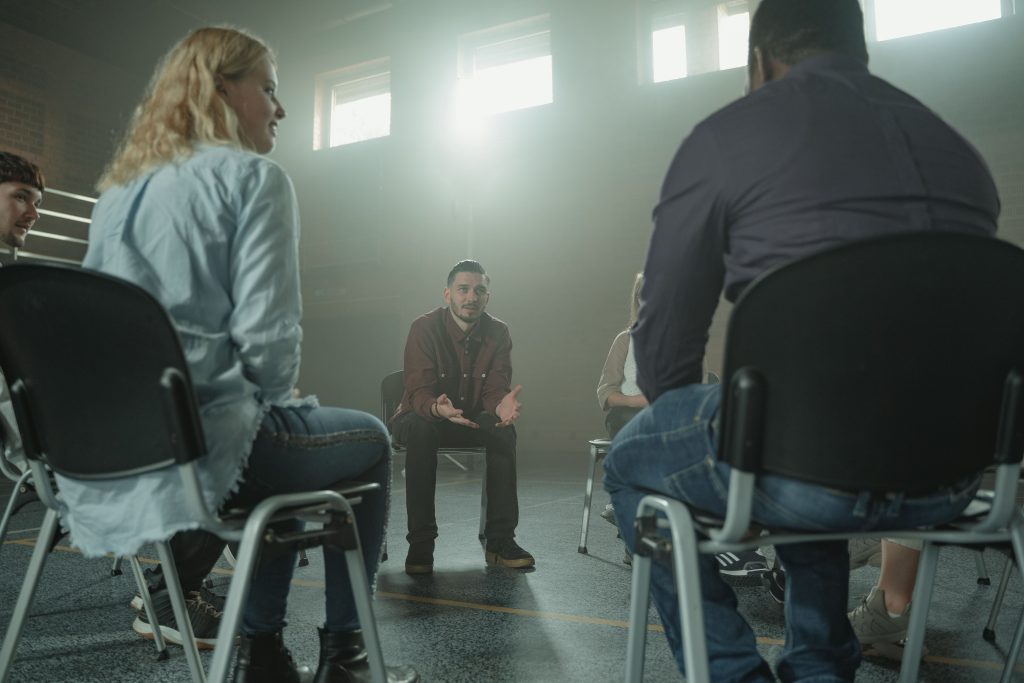
Group therapy is one of the most valuable aspects of addiction treatment. Sharing experiences with others who understand the challenges of addiction helps reduce feelings of shame and isolation while building trust, accountability, and mutual support. Clients often discover that they are not alone in their struggles and can learn valuable insights from one another’s recovery journeys.
Psychoeducation
Understanding addiction is an essential part of recovery. Through structured educational sessions, clients learn how addiction affects the brain, emotions, behaviour, relationships, and physical health. They also gain practical knowledge about relapse prevention, emotional regulation, communication skills, stress management, and the recovery process itself. Greater understanding empowers individuals to make healthier decisions long after treatment has ended.
Trauma Informed Therapy
Many people living with addiction have experienced trauma or significant emotional distress at some point in their lives. Our trauma informed approach creates a safe and supportive environment where clients can begin exploring these experiences without judgement or unnecessary pressure. Rather than focusing solely on substance use, therapy helps individuals understand how past experiences may continue to influence present behaviours and relationships.
The Twelve Step Programme
The Twelve Step programme remains one of the most widely recognised recovery models in the world because it offers a structured framework for personal growth, accountability, and long term recovery. At SCRC, the Twelve Steps are integrated alongside professional therapy and holistic care, allowing clients to explore the programme in a way that is meaningful, practical, and respectful of their own beliefs and values.
Holistic Therapies
Recovery involves healing both the mind and the body. Alongside traditional therapy, clients participate in activities that promote overall wellbeing and emotional balance. Mindfulness, meditation, yoga, physical exercise, healthy nutrition, and opportunities for creativity and personal reflection all contribute to reducing stress, improving emotional resilience, and establishing healthy routines that support lifelong recovery.
Family Support
Addiction affects the entire family, not only the individual. Where appropriate, family involvement helps loved ones better understand addiction while improving communication, rebuilding trust, and creating healthier relationship dynamics. Recovery becomes stronger when families are equipped with the knowledge and tools needed to support positive change without enabling destructive behaviours.
Relapse Prevention
Preparing for life after residential treatment is one of the most important aspects of recovery. Clients learn to recognise personal triggers, identify early warning signs of relapse, manage cravings, develop healthy coping strategies, and build supportive recovery networks. These practical skills provide the confidence and resilience needed to navigate everyday life while maintaining long term sobriety.
By combining evidence based therapies with holistic approaches, addiction treatment becomes far more than simply helping someone stop using substances. It becomes a journey of personal growth, emotional healing, healthier relationships, and renewed purpose. Each therapeutic element strengthens the others, creating a comprehensive recovery programme that equips clients to build lasting change rather than temporary abstinence.

Life Beyond Addiction: Rebuilding a Meaningful Future
One of the greatest misconceptions about recovery is that it is simply about giving something up. In reality, successful addiction treatment is about gaining something far more valuable. It is about rediscovering health, rebuilding relationships, finding purpose, and creating a life that no longer revolves around alcohol or drugs.
For many people, addiction gradually becomes their identity. Daily life centres on obtaining substances, hiding the addiction, recovering from its effects, or coping with the consequences it creates. Hobbies disappear, ambitions fade, relationships suffer, and the future can begin to feel uncertain. Recovery offers the opportunity to reclaim all of these things and build a new foundation for life.
At South Coast Recovery Centre, we encourage clients to see recovery as a process of growth rather than deprivation. Throughout treatment, they are supported in developing healthy routines that promote physical wellbeing, emotional balance, and personal fulfilment. Regular exercise, nutritious meals, mindfulness, meaningful daily structure, and opportunities for reflection help create habits that continue to support recovery long after treatment has ended.
Recovery is also a time to rediscover interests that may have been forgotten or explore entirely new ones. Whether it is spending time in nature, reading, writing, learning a new skill, exercising, volunteering, pursuing a career, or reconnecting with family, these experiences help replace the emptiness that addiction often leaves behind. They remind people that fulfilment comes from living with purpose rather than escaping reality.
An important part of rebuilding is learning to face life’s challenges without returning to old coping mechanisms. Stress, disappointment, grief, conflict, and uncertainty are all inevitable parts of life. Addiction treatment equips clients with healthier ways of managing these experiences through emotional awareness, practical coping strategies, supportive relationships, and personal resilience. Recovery does not remove life’s difficulties, but it changes how people respond to them.
Long term recovery is built through consistent daily choices rather than dramatic moments. Every healthy habit, every honest conversation, every meeting attended, every boundary established, and every challenge faced without substances strengthens the foundation for a healthier future. Over time, these small decisions create lasting transformation.
At South Coast Recovery Centre, we believe our role extends beyond helping people stop using alcohol or drugs. We help them rediscover their strengths, rebuild their confidence, restore hope, and create a life that feels meaningful enough that they no longer need to escape from it. That is the true purpose of addiction treatment, and it is the future we strive to help every client achieve.
Why Choose South Coast Recovery Centre for Addiction Treatment?
Choosing an addiction treatment centre is one of the most important decisions a person or family will ever make. Recovery is about far more than completing a programme. It is about finding a place where people feel safe, understood, and supported as they begin rebuilding their lives. The quality of care, the therapeutic environment, and the philosophy of the treatment centre all play an important role in creating the conditions for lasting recovery.
At South Coast Recovery Centre, our philosophy is simple. We believe in rebuilding people, not breaking them down. Many individuals arrive feeling exhausted, ashamed, frightened, and uncertain about the future. Rather than judging their past or focusing solely on their addiction, we meet each person where they are and walk alongside them as they begin creating a healthier and more fulfilling life.
Our treatment programme combines evidence based therapeutic practices with a holistic approach that recognises the connection between physical health, emotional wellbeing, mental health, relationships, and personal growth. Every treatment plan is tailored to the individual because no two recovery journeys are the same. We recognise that every client brings their own experiences, strengths, challenges, and aspirations into treatment.
Compassion, dignity, and respect are at the heart of everything we do. We provide a supportive environment where clients are encouraged to explore the underlying causes of their addiction, develop healthier coping strategies, rebuild confidence, and discover a renewed sense of purpose. Our goal is not simply to help people stop using alcohol or drugs, but to equip them with the skills, resilience, and support needed to maintain recovery for years to come.
Recovery does not happen in isolation. Throughout treatment, clients become part of a caring recovery community where encouragement, accountability, and genuine human connection form an important part of the healing process. Many people who enter treatment believing they are alone soon discover that recovery is strengthened by walking the journey alongside others who understand.
Our commitment extends beyond a client’s time in residential treatment. Preparing individuals for life after rehab is an integral part of our programme. Through relapse prevention planning, continuing care, healthy routines, and ongoing support, we help clients leave treatment with a practical plan for maintaining their recovery and continuing their personal growth.
At South Coast Recovery Centre, we believe that every person has the capacity to change, regardless of how hopeless life may seem today. Recovery is not about becoming a different person. It is about rediscovering the person addiction tried to take away and building a future filled with health, purpose, connection, and hope.

Take the First Step Towards Recovery
If you are reading this page, there is a good chance that addiction has already affected your life or the life of someone you care deeply about. You may be feeling overwhelmed, exhausted, frightened, or unsure where to turn. You may have reached a point where it feels as though nothing has worked, or perhaps this is the first time you have begun searching for answers.
Wherever you are in your journey, know this. Recovery is possible.
Every day, people who once believed they had lost everything begin rebuilding their lives. Families start to heal. Trust is restored. Hope returns. None of this happens overnight, but it begins with a single decision to ask for help.
At South Coast Recovery Centre, we understand the courage it takes to make that first phone call. That is why our team is committed to treating every enquiry with compassion, respect, and complete confidentiality. Whether you are seeking help for yourself, your partner, your child, a parent, or a close friend, we will take the time to listen, answer your questions honestly, and help you understand the treatment options available.
Our mission is simple. We do not believe in breaking people down. We believe in meeting people where they are, walking alongside them, and helping them rebuild their lives with dignity, purpose, and hope.
You do not have to have all the answers before reaching out. You only need to take the first step.
If you are ready to begin your recovery journey, or if you would simply like to speak with someone who understands addiction and can guide you through the process, contact South Coast Recovery Centre today. The conversation you have today could become the turning point that changes the rest of your life.
Recovery starts with one decision.
Let today be yours.