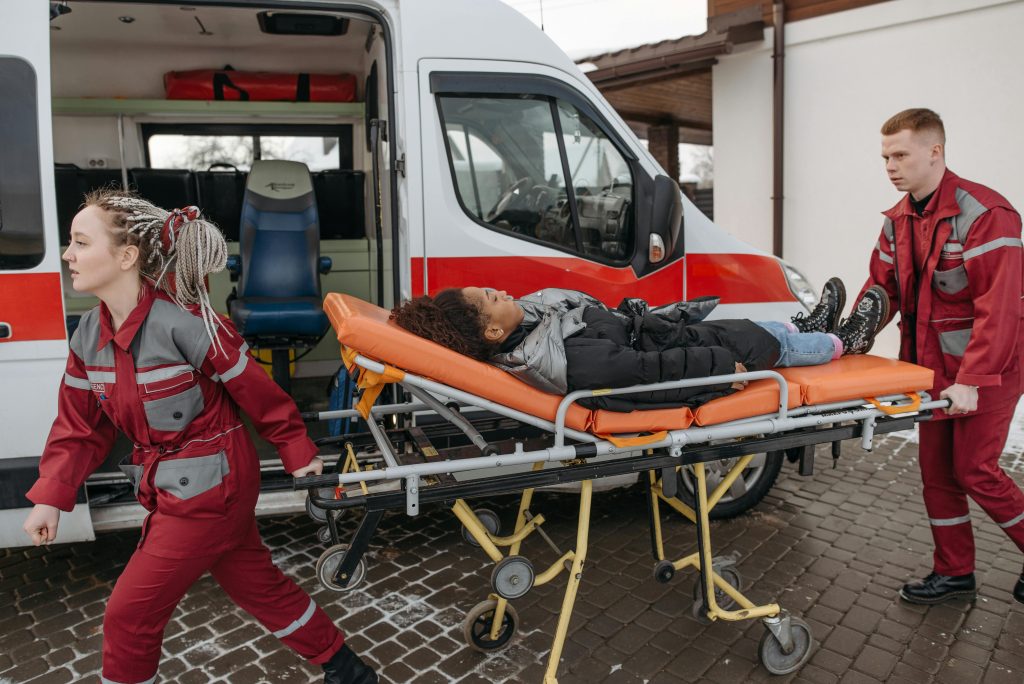
There are moments in this field that stay with you forever. Moments that don’t just pass through your day but carve themselves into your thinking, your decisions, and your understanding of what addiction truly is.
Recently, I took an admission call on a Friday night. The conversation was hopeful. There was fear, yes, but also a willingness. The plan was clear. The individual would be admitted on Monday. There was just one more weekend to get through.
Sunday morning came with devastating news. That person never made it.
And in that moment, the reality of urgent addiction treatment hit harder than ever before.
Because addiction does not wait.
It does not pause for convenience, for timing, for readiness, or for one last weekend. It does not negotiate. It does not show mercy. And most importantly, it does not give warnings that we can rely on.
This is why the urgency in getting help cannot be overstated. Not tomorrow. Not next week. Not when things get “a little worse.” Now.
Addiction Does Not Operate on Your Timeline
One of the greatest misconceptions about addiction is that there is always more time. That things will gradually decline, giving us opportunities to intervene.
But addiction does not follow a predictable path.
It is progressive, unpredictable, and often silent in its escalation. What looks manageable on Friday can become fatal by Sunday.
This is the danger of delay.
When someone reaches the point of considering help, they are already in a critical place. That moment of willingness is not something to be postponed. It is fragile. It can disappear as quickly as it arrives.
Urgent addiction treatment is about recognising that moment and acting immediately. Because the window for change is often far smaller than we think.
The Illusion of “I Can Do It on My Own”
One of the most common barriers to treatment is the belief that the individual can manage it alone.
“I’ll cut down.”
“I’ll stop after this weekend.”
“I don’t need rehab.”
“I’ve got this.”
These statements are not just denial. They are part of the addiction itself.
Addiction is not just physical dependence. It is psychological, emotional, and deeply rooted in behaviour patterns. It rewires thinking. It convinces the individual that they are still in control, even when everything around them is falling apart.
This is why so many people delay urgent addiction treatment. Not because they don’t want help, but because the addiction convinces them they don’t need it.
And tragically, by the time they realise they cannot do it alone, it is often too late.
Manipulation and Postponement: The Survival Mechanism of Addiction
Addiction is not passive. It is active. It protects itself.
It does this through manipulation, not necessarily in a malicious way, but as a survival mechanism.
The individual may promise to stop tomorrow. They may agree to treatment next week. They may appear sincere, even convincing.
But underneath it all, the addiction is buying time.
Time to continue.
Time to avoid discomfort.
Time to stay in control.
Families often hold onto these promises because they want to believe them. Because hope is powerful. Because the idea that their loved one can change without intervention feels less overwhelming.
But postponement is one of the most dangerous aspects of addiction.
Every delay increases the risk.
This is why urgent addiction treatment is not just recommended. It is essential.
Why Families Struggle to Get Through
If you have ever tried to help someone with addiction, you will know how difficult it is to get through to them.
You can present facts.
You can show concern.
You can plead, beg, and even threaten.
And still, nothing changes.
This is not because they don’t care. It is because addiction creates a barrier between reality and perception.
From the outside, it is obvious that help is needed. From the inside, the addiction distorts everything.
Families often experience frustration, confusion, and heartbreak. They may question themselves. They may wonder if they are doing something wrong.
But the truth is, addiction is incredibly resistant to logic and emotion.
This is why involving professionals, especially those who understand addiction from lived experience, is so important.
Urgent addiction treatment often requires an external voice. Someone who can cut through the denial. Someone who understands the language of addiction. Someone who has been there.
Addiction Will Protect Itself at All Costs
This is one of the hardest truths to accept.
Addiction will prioritise itself over everything.
Over family.
Over health.
Over career.
Over life itself.
It is not a choice in the way people often think. It is a compulsion.
The brain becomes wired to seek the substance or behaviour, regardless of consequences. The reward system is hijacked. The ability to make rational decisions is compromised.
This is why people continue even when they know the damage it is causing.
And this is why waiting is so dangerous.
Because addiction does not weaken over time. It strengthens.
The longer it is left untreated, the more control it gains.
Urgent addiction treatment interrupts this cycle. It creates a break in the pattern. It provides the structure and support needed to regain control.
The Power of Immediate Action
There is something incredibly powerful about acting immediately.
When someone says, “I need help,” and the response is, “Let’s do this now,” it changes everything.
It removes the space for doubt.
It reduces the influence of the addiction.
It creates momentum.
Immediate action can be the difference between life and death.
It can be the difference between another relapse and the start of recovery.
This is why urgent addiction treatment should always be the goal. Not delayed. Not scheduled for convenience. But prioritised as the emergency that it is.
Treatment Is Not a Punishment
One of the biggest misconceptions about rehab is that it is a form of punishment.
That it is something you send someone to when they have failed. When they have disappointed others. When they have reached a breaking point.
This perception is not only incorrect, it is harmful.
Treatment is not about punishment. It is about healing.
It is about ending the pain that the individual is living with every day. The internal struggle. The guilt. The shame. The exhaustion.
Addiction is not enjoyable at that stage. It is survival.
Urgent addiction treatment offers a way out. A way to breathe again. A way to rediscover life without the constant weight of addiction.
It opens up possibilities.
New habits.
New passions.
New ways of thinking.
New ways of living.
It is not the end of something. It is the beginning.
The Importance of Lived Experience
There is something uniquely powerful about speaking to someone who has been where you are.
Someone who understands the cravings.
The thoughts.
The justifications.
The fear.
This kind of connection cannot be taught. It is lived.
When individuals in addiction speak to someone who truly understands, the walls begin to come down. The defensiveness softens. The honesty increases.
This is why involving people with lived experience is so important in urgent addiction treatment.
They can reach places that others cannot.
They can say, “I understand,” and mean it.
And sometimes, that is the moment everything changes.
Breaking the Cycle Before It Is Too Late
Every day that addiction continues, the risks increase.
Physically, the body deteriorates.
Mentally, the thinking becomes more distorted.
Emotionally, the individual becomes more isolated.
And yet, from the outside, it can still look manageable.
This is the illusion.
Because addiction does not always show its severity until it is too late.
This is why urgency matters.
Not because we want to create fear, but because the reality is already serious.
Urgent addiction treatment is about recognising that the situation is critical, even if it does not appear to be.
It is about acting before the damage becomes irreversible.
A Message to Families
If you are reading this as a family member, know this.
Your concern is valid.
Your instincts are often right.
And your urgency is not overreacting.
If you feel that your loved one needs help, do not ignore that feeling.
Do not wait for things to get worse.
Do not rely on promises.
Do not assume there will be another opportunity.
Act.
Have the difficult conversations.
Seek professional guidance.
Involve people who understand addiction.
Because urgent addiction treatment is not just about helping your loved one. It is about protecting their life.
A Message to Those Struggling
If you are the one struggling, hear this clearly.
You are not weak.
You are not broken.
And you are not beyond help.
But you do need support.
Trying to do this alone is one of the hardest paths you can take. And it is not necessary.
There are people who understand. People who care. People who have walked this path and come out the other side.
Reaching out is not failure. It is courage.
And choosing urgent addiction treatment could be the most important decision you ever make.
In Loving Memory of Emma
There are stories that stay with us.
Not because of how they ended, but because of what they teach us.
Emma’s story is one of those.
A moment of willingness. A plan for help. A life that should have had more time.
Her passing is a painful reminder that addiction does not wait.
That “just one more weekend” can be one too many.
That the opportunity for urgent addiction treatment must be taken when it appears.
This article is not just about awareness. It is about action.
Because behind every delay, there is a risk.
Behind every promise to wait, there is uncertainty.
And behind every missed opportunity, there is a story that could have been different.
May Emma’s memory be a reminder to act.
To listen.
To move quickly when the moment presents itself.
And to never underestimate the urgency of getting help.
Should you be faced with the need for urgent addiction treatment, don’t hesitate to reach out and contact an addiction specialist. Somone who understands the process.
There are several reasons for addiction treatment resistance including denial, fear, stigma and a lack of support.