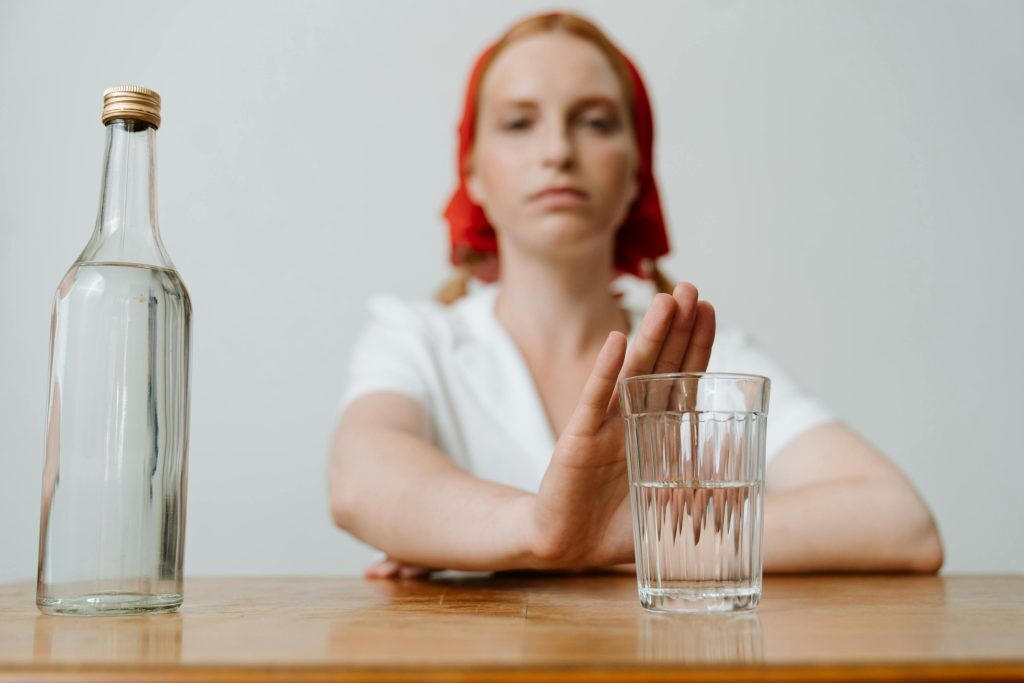
Getting sober in 2026 is a thought many people carry quietly as the year approaches. It often sounds reasonable, even responsible. I’ll stop next year. I’ll get through the holidays first. I’ll deal with this when things calm down.
But addiction does not wait for the calendar to change. While intentions to quit are common, action is far rarer — and the cost of waiting is often far higher than people realise.
As another year comes to an end, many individuals struggling with substance use begin reflecting on what they want their future to look like. Sobriety becomes a goal, a resolution, or a promise made quietly to oneself. The danger is not in wanting to get sober — it’s in postponing it.
New Year’s Resolutions and Why They Rarely Last
Every January, millions of people set resolutions centred on self improvement. Quitting drinking, stopping drug use, improving mental health, and living more intentionally are among the most common goals worldwide.
Yet studies consistently show that over 80 percent of New Year’s resolutions fail by February. Motivation fades, habits return, and life resumes its familiar rhythm. Addiction, in particular, thrives on delay and rationalisation.
Why? Because addiction is not a lack of willpower. It is a condition rooted in behaviour, neurochemistry, emotional coping, and often unresolved trauma. Good intentions alone are rarely enough.
This is why waiting until “the right time” to get sober often leads to another year lost — another year of consequences quietly accumulating in the background.
The Myth of Being “Functional”
One of the most common reasons people delay addiction treatment is the belief that they are still functioning.
They go to work.
They pay their bills.
They maintain relationships — at least on the surface.
But addiction doesn’t need chaos to be destructive. It only needs consistency.
Even so called functional addiction slowly interferes with every area of life. Productivity declines. Emotional availability disappears. Relationships become strained. Health deteriorates quietly. Self respect erodes.
What often goes unnoticed is how much energy addiction consumes. The mental calculations, the emotional swings, the constant recovery from use — all of it drains life of its fullness.
By the time addiction becomes visibly unmanageable, the damage is already deep. Waiting too long doesn’t prevent consequences. It compounds them.
The Hidden Cost of Waiting
Putting off sobriety has a cost, even if it is not immediately visible.
- Physical health worsens over time
- Mental health becomes more fragile
- Relationships become more distant or conflict driven
- Career progress stalls or reverses
- Shame and self distrust increase
Perhaps the greatest cost is lost time — time that could have been lived with clarity, energy, connection, and purpose.
Getting sober in 2026 might sound reasonable today, but addiction rarely remains static. What feels manageable now often becomes overwhelming later.
What Improves When You Get Sober
One of the biggest fears people have about sobriety is that life will become smaller, duller, or restrictive. The truth is the opposite.
Sobriety expands life.
Some benefits appear quickly. Others unfold gradually. Both matter.
Immediate Improvements
Many people experience positive changes within weeks:
- Better sleep quality
- Improved mood stability
- Clearer thinking
- Reduced anxiety
- Increased energy
- Greater emotional presence
Even early sobriety brings relief. The constant mental noise quietens. The body begins to recover. The mind becomes more available to life.
Long Term Benefits
Other benefits take time — and patience:
- Repaired relationships
- Improved self confidence
- Emotional resilience
- Physical healing
- Financial stability
- A renewed sense of purpose
Sobriety is not an overnight transformation. It is a gradual return to yourself.
The Importance of Patience in Recovery
One of the biggest challenges in early sobriety is expectation. Many people expect immediate happiness, clarity, and fulfilment. When emotions fluctuate or cravings appear, they assume something is wrong.
Nothing is wrong.
Recovery is a process of recalibration. The brain and body need time to relearn balance. Emotional waves are part of healing, not a sign of failure.
Patience is not passive. It is active commitment — choosing to stay the course even when progress feels slow.
Pushing Through Urges and Emotional Challenges
Urges are temporary. Emotions pass. What matters is how you respond.
In addiction treatment, individuals learn practical tools to manage cravings, regulate emotions, and respond rather than react. These skills are essential, especially in early recovery.
The goal is not to eliminate discomfort — it is to learn how to move through it without returning to substances.
Each urge resisted builds confidence. Each emotional challenge navigated strengthens resilience.
Reframing Sobriety: From Fear to Possibility
Many people approach sobriety with hesitation. They focus on what they are giving up rather than what they are gaining.
Sobriety is not about restriction. It is about opportunity.
Instead of asking What will I lose?, ask:
- What might I discover?
- Who could I become?
- What kind of life becomes possible?
Approaching sobriety with curiosity and excitement changes the entire experience. It opens the door to growth rather than deprivation.
Creating a New Life, Not Just Quitting a Substance
Long term recovery is not sustained by abstinence alone. It is sustained by meaning.
As sobriety stabilises, it becomes essential to fill life with new passions, routines, and sources of fulfilment. Exercise, creativity, relationships, purpose driven work, and spiritual growth all play a role.
Addiction once occupied space. Recovery must fill it with something better.
This is where true transformation happens — not just stopping use, but building a life you no longer want to escape from.
Why Getting Sober in 2026 Starts Now
Waiting for a new year does not create readiness. Action does.
If the idea of sobriety keeps returning, it is not random. It is awareness trying to get your attention.
Getting sober in 2026 does not mean waiting until January. It means recognising that the best time to begin is now — with support, structure, and professional guidance.
How South Coast Recovery Centre Can Help
At South Coast Recovery Centre, we understand how difficult this decision can feel. We also know how powerful the right support can be.
Our programmes are designed to address addiction holistically — physically, emotionally, psychologically, and spiritually. We help individuals not only stop using, but rebuild their lives with clarity, confidence, and purpose.
Recovery is not easy. But it is absolutely worth it.
If you are thinking about getting sober in 2026, consider starting today. The life you are waiting for begins the moment you choose help.
Final Thought
Addiction takes time away quietly. Sobriety gives it back — fully, honestly, and with possibility.
And that makes it worth everything.
If you are unsure what the recovery process involves, our guide on drug and alcohol rehab explains what to expect and how treatment supports long term change.
Research from the National Institute on Drug Abuse shows that structured addiction treatment significantly improves recovery outcomes when compared to attempting sobriety alone.
[{"id":7799,"link":"https:\/\/www.southcoastrecoverycentre.co.za\/evidence-based-addiction-recovery\/","name":"evidence-based-addiction-recovery","thumbnail":{"url":"https:\/\/www.southcoastrecoverycentre.co.za\/wp-content\/uploads\/2026\/02\/Evidence-based-addiction-recovery.png","alt":"Evidence based addiction recovery"},"title":"Evidence Based Addiction Recovery: Why the 12 Steps Combined with Therapy Remains the Global Gold Standard","postMeta":[],"author":{"name":"media","link":"https:\/\/www.southcoastrecoverycentre.co.za\/ciaran-bates\/media\/"},"date":"Feb 15, 2026","dateGMT":"2026-02-15 07:54:36","modifiedDate":"2026-02-15 09:54:41","modifiedDateGMT":"2026-02-15 07:54:41","commentCount":"0","commentStatus":"closed","categories":{"coma":"<a href=\"https:\/\/www.southcoastrecoverycentre.co.za\/addiction-treatment\/\" rel=\"category tag\">Addiction treatment<\/a>","space":"<a href=\"https:\/\/www.southcoastrecoverycentre.co.za\/addiction-treatment\/\" rel=\"category tag\">Addiction treatment<\/a>"},"taxonomies":{"post_tag":"<a href='https:\/\/www.southcoastrecoverycentre.co.za\/tag\/12-step-programs\/' rel='post_tag'>12-Step Programs<\/a><a href='https:\/\/www.southcoastrecoverycentre.co.za\/tag\/addiction-recovery-research\/' rel='post_tag'>addiction recovery research<\/a><a href='https:\/\/www.southcoastrecoverycentre.co.za\/tag\/addiction-rehabilitation\/' rel='post_tag'>addiction rehabilitation<\/a><a href='https:\/\/www.southcoastrecoverycentre.co.za\/tag\/addiction-treatment-ethics\/' rel='post_tag'>addiction treatment ethics<\/a><a href='https:\/\/www.southcoastrecoverycentre.co.za\/tag\/clinical-addiction-therapy\/' rel='post_tag'>clinical addiction therapy<\/a><a href='https:\/\/www.southcoastrecoverycentre.co.za\/tag\/effective-rehab-methods\/' rel='post_tag'>effective rehab methods<\/a><a href='https:\/\/www.southcoastrecoverycentre.co.za\/tag\/evidence-based-addiction-recovery\/' rel='post_tag'>evidence-based addiction recovery<\/a><a href='https:\/\/www.southcoastrecoverycentre.co.za\/tag\/holistic-addiction-treatment\/' rel='post_tag'>Holistic Addiction Treatment<\/a><a href='https:\/\/www.southcoastrecoverycentre.co.za\/tag\/peer-support-in-recovery\/' rel='post_tag'>peer support in recovery<\/a><a href='https:\/\/www.southcoastrecoverycentre.co.za\/tag\/substance-use-recovery\/' rel='post_tag'>substance use recovery<\/a>"},"readTime":{"min":6,"sec":17},"status":"publish","excerpt":""},{"id":7795,"link":"https:\/\/www.southcoastrecoverycentre.co.za\/alcohol-and-cocaine-dependance\/","name":"alcohol-and-cocaine-dependance","thumbnail":{"url":"https:\/\/www.southcoastrecoverycentre.co.za\/wp-content\/uploads\/2026\/02\/Alcohol-and-cocaine-dependance-scaled.jpg","alt":"Alcohol and cocaine dependance in South Africa is on the rise due to the party culture"},"title":"Alcohol and Cocaine Dependance: A Dangerous and Growing Crisis in South Africa","postMeta":[],"author":{"name":"media","link":"https:\/\/www.southcoastrecoverycentre.co.za\/ciaran-bates\/media\/"},"date":"Feb 9, 2026","dateGMT":"2026-02-09 06:16:36","modifiedDate":"2026-02-09 08:16:41","modifiedDateGMT":"2026-02-09 06:16:41","commentCount":"0","commentStatus":"closed","categories":{"coma":"<a href=\"https:\/\/www.southcoastrecoverycentre.co.za\/addiction-treatment\/\" rel=\"category tag\">Addiction treatment<\/a>","space":"<a href=\"https:\/\/www.southcoastrecoverycentre.co.za\/addiction-treatment\/\" rel=\"category tag\">Addiction treatment<\/a>"},"taxonomies":{"post_tag":"<a href='https:\/\/www.southcoastrecoverycentre.co.za\/tag\/addiction-and-mental-health\/' rel='post_tag'>addiction and mental health<\/a><a href='https:\/\/www.southcoastrecoverycentre.co.za\/tag\/alcohol-abuse-south-africa\/' rel='post_tag'>alcohol abuse south africa<\/a><a href='https:\/\/www.southcoastrecoverycentre.co.za\/tag\/alcohol-and-cocaine-dependance\/' rel='post_tag'>alcohol and cocaine dependance<\/a><a href='https:\/\/www.southcoastrecoverycentre.co.za\/tag\/cocaine-addiction-south-africa\/' rel='post_tag'>cocaine addiction south africa<\/a><a href='https:\/\/www.southcoastrecoverycentre.co.za\/tag\/cocaine-and-alcohol-addiction\/' rel='post_tag'>cocaine and alcohol addiction<\/a><a href='https:\/\/www.southcoastrecoverycentre.co.za\/tag\/cocaine-and-alcohol-effects\/' rel='post_tag'>cocaine and alcohol effects<\/a><a href='https:\/\/www.southcoastrecoverycentre.co.za\/tag\/drug-and-alcohol-dependency\/' rel='post_tag'>drug and alcohol dependency<\/a><a href='https:\/\/www.southcoastrecoverycentre.co.za\/tag\/party-culture-and-drug-addiction\/' rel='post_tag'>party culture and drug addiction<\/a><a href='https:\/\/www.southcoastrecoverycentre.co.za\/tag\/polysubstance-abuse\/' rel='post_tag'>polysubstance abuse<\/a><a href='https:\/\/www.southcoastrecoverycentre.co.za\/tag\/substance-abuse-in-south-africa\/' rel='post_tag'>substance abuse in south africa<\/a>"},"readTime":{"min":5,"sec":57},"status":"publish","excerpt":""},{"id":7773,"link":"https:\/\/www.southcoastrecoverycentre.co.za\/holistic-addiction-programme\/","name":"holistic-addiction-programme","thumbnail":{"url":"https:\/\/www.southcoastrecoverycentre.co.za\/wp-content\/uploads\/2026\/02\/B5B9CC7B-682E-4B9E-8FB3-549AAF1F48BC.jpg","alt":"The most effective way to addiction recovery is an holistic addiction programme"},"title":"Holistic Addiction Programme: How a Structured Way of Living Creates Lasting Recovery","postMeta":[],"author":{"name":"media","link":"https:\/\/www.southcoastrecoverycentre.co.za\/ciaran-bates\/media\/"},"date":"Feb 3, 2026","dateGMT":"2026-02-03 05:37:26","modifiedDate":"2026-02-03 07:37:43","modifiedDateGMT":"2026-02-03 05:37:43","commentCount":"0","commentStatus":"closed","categories":{"coma":"<a href=\"https:\/\/www.southcoastrecoverycentre.co.za\/mental_health_and_addiction\/\" rel=\"category tag\">Mental Health and addiction<\/a>","space":"<a href=\"https:\/\/www.southcoastrecoverycentre.co.za\/mental_health_and_addiction\/\" rel=\"category tag\">Mental Health and addiction<\/a>"},"taxonomies":{"post_tag":""},"readTime":{"min":6,"sec":21},"status":"publish","excerpt":""}] 